Updated: 17 April 2026
Guindy National Park: A Hidden Green Oasis in Chennai
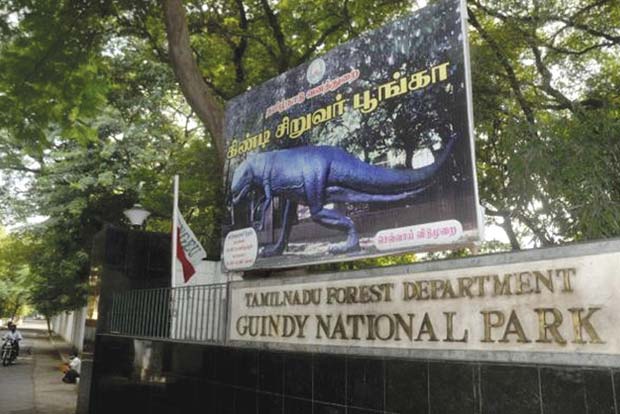
Located in the dynamic urban landscape of Chennai, Guindy National Park represents a rare ecological pocket where nature continues to thrive amidst rapid urban expansion. Covering approximately 2.7 square kilometers, it is one of the smallest national parks in India, yet its ecological importance is disproportionately large. The park serves as a living example of how biodiversity can persist even within metropolitan boundaries when conservation is carefully managed.
This park is not merely a recreational space but a functioning ecological system, supporting varied habitats such as dry evergreen forests, scrublands, and open grasslands. It offers visitors an opportunity to observe how wildlife adapts to urban pressures, how plant communities stabilize fragile soils, and how seasonal rhythms continue to shape life even within city limits.
History and Overview
The origins of Guindy National Park can be traced back to the colonial era, when the land formed part of the Guindy Lodge, the official residence of the Governor of Madras. Over time, as ecological awareness increased, this region was recognized for its unique biodiversity and ecological value.
In 1978, the area was declared a protected reserve, eventually gaining national park status. What makes Guindy particularly remarkable is not just its biodiversity, but its resilience. Surrounded by roads, educational institutions, and urban infrastructure, the park continues to function as a self-sustaining ecosystem.
The terrain is relatively flat with gentle undulations, supporting a mix of forest and grassland ecosystems. Seasonal changes, especially the monsoon cycle, influence vegetation growth, soil moisture, and wildlife activity patterns, creating a dynamic ecological environment throughout the year.
Flora and Fauna
Flora
The vegetation of Guindy National Park primarily consists of tropical dry evergreen forest, a rare forest type along the Coromandel Coast. This forest structure is layered, with tall trees forming a canopy, mid-level shrubs, and ground vegetation supporting insects and smaller organisms.
The park hosts over 350 plant species, including native trees such as banyan, neem, and acacia. These plants play a critical role in stabilizing soil, regulating temperature, and providing shelter and food for wildlife. Seasonal flowering patterns attract pollinators, while fruiting cycles sustain birds and mammals.
The grassland patches within the park are equally important, supporting grazing species and maintaining ecological balance. These open spaces also influence predator-prey dynamics, allowing visibility and movement for herbivores.
Fauna






The park supports a surprising diversity of fauna despite its limited size. Key species include:
Spotted Deer are among the most visible animals, often seen grazing in open grasslands. Their alert behavior and group dynamics reflect constant vigilance against predators.
Blackbuck Antelope, once widespread across India, find a secure habitat here. Their presence highlights the conservation success of the park.
Predators such as the Golden Jackal and Indian Civet maintain ecological balance by controlling smaller animal populations.
Reptiles, including monitor lizards and garden lizards, play a vital role in regulating insect populations and maintaining ecological equilibrium.
Birdlife is particularly rich, with over 150 species. Seasonal migration introduces new species, while resident birds contribute to daily ecological rhythms. The soundscape of the park—calls, rustling leaves, and wingbeats—creates an immersive natural experience.
Main Attractions
Biodiversity Experience
Walking through Guindy National Park offers a layered experience of biodiversity. Each section of the park reveals a different ecological interaction—from grazing deer to birds perched in the canopy. Observing these interactions provides insight into how ecosystems function in limited spaces.
Nature Trails and Interpretation
The park’s walking trails are carefully designed to minimize disturbance while allowing visitors to experience the landscape. These trails pass through forest patches, grasslands, and shaded areas, offering varied sensory experiences—changes in light, sound, and temperature.
Birdwatching
Birdwatching is one of the most rewarding activities here. Early mornings reveal active feeding behavior, while evenings highlight roosting patterns. Observing birds in their natural habitat helps in understanding ecological roles such as pollination and seed dispersal.
Children’s Park and Snake Park
The Children’s Park provides an educational introduction to wildlife, while the adjacent Snake Park offers deeper insights into reptilian ecology. These areas serve as important platforms for environmental awareness.
Timings and Days of Operation
Opening Hours: 9:00 AM to 5:30 PM (All days)
Ticket Fees
Indian Nationals: ₹15
Foreign Nationals: ₹100
Children (below 12 years): ₹10
Camera Fee: ₹25 (still), ₹150 (video)
Booking Procedure
Entry Permit: Not required for general visitors.
Tickets: Available at the entrance.
Guides: Available for educational tours.
Accommodations: Not available inside the park; visitors stay in Chennai.
How to Reach
By Air: Chennai International Airport (13 km)
By Rail: Guindy Railway Station (2 km)
By Road: Well-connected via city transport and metro.
Best Time to Visit
The ideal time is between November and February, when temperatures are moderate and wildlife activity increases. Seasonal variations influence vegetation density and animal movement patterns, offering different experiences throughout the year.
Nearby Attractions
Nearby attractions include Birla Planetarium, Marina Beach, Elliot’s Beach, and the Theosophical Society, each offering a different perspective of Chennai’s cultural and natural landscape.
Important Facts
Unique Ecosystem: A rare urban forest ecosystem with layered vegetation.
Tribal Communities: Limited direct tribal presence but strong ecological heritage.
Conservation Importance: Acts as a biodiversity refuge within a city.
Accessibility: Easy access makes it a key educational site.
Sundarban Connection and Ecological Comparison
While Guindy National Park exists within an urban framework, its ecological behavior shares subtle yet meaningful parallels with the vast and complex landscapes of the Sundarbans. The Sundarbans, known for their intricate mangrove ecosystems, tidal waterways, and elusive wildlife, represent a completely different scale of wilderness. Yet, when observed closely, both environments reflect similar ecological principles.
In the Sundarbans, the interaction between predator and prey is governed by silence, alertness, and environmental awareness. Animals move cautiously through dense mangrove forests, where visibility is limited and sound becomes a crucial survival tool. A similar, though smaller-scale, dynamic can be observed in Guindy, where deer remain constantly alert, reacting to subtle changes in their surroundings.
Birdlife also creates a connection between the two ecosystems. The Sundarbans host migratory and resident birds that depend on wetlands and forest cover, while Guindy supports a diverse avian population adapted to dry forest conditions. In both environments, bird calls form an essential part of the ecological soundscape, signaling movement, danger, or seasonal change.
Water plays a defining role in the Sundarbans, with tidal rivers shaping the landscape. Although Guindy lacks such extensive hydrological systems, seasonal moisture variations still influence vegetation growth and wildlife activity. These subtle changes demonstrate how even limited water availability can sustain biodiversity.
The experience of moving through these landscapes also shares a psychological similarity. In both places, silence is not empty—it is filled with natural rhythms. The rustling of leaves, distant animal calls, and shifting light patterns create an immersive sensory environment. This experience is central to understanding nature beyond visual observation.
For travelers seeking a deeper connection with nature, exploring structured experiences such as a Sundarban tour offers insight into large-scale wilderness ecosystems, while curated journeys like a Sundarban tour package provide guided exposure to these fragile habitats. For those interested in premium experiences, a Sundarban luxury tour allows a more intimate understanding of ecological balance.
Ultimately, both Guindy and the Sundarbans highlight the importance of conservation. One exists within a city, the other across vast deltaic landscapes, yet both demonstrate how fragile ecosystems depend on careful protection, awareness, and respect from human visitors.
Guindy National Park stands as a remarkable example of how nature can coexist with urban development. It is not just a destination but a living ecological classroom, offering insights into biodiversity, conservation, and environmental balance. A visit here is not merely a walk through a park—it is an opportunity to observe, understand, and reconnect with the natural world.