Updated: 17 April 2026
Indravati National Park: A Complete Guide
Indravati National Park is one of the most remote, ecologically important, and least urbanized protected landscapes in central India. Located in Bijapur district of Chhattisgarh, this large wilderness takes its name from the Indravati River, a major river system that shapes the park’s northern edge and supports much of its ecological rhythm. The park covers roughly 1,258 square kilometres as a national park, and it forms the core of the wider Indravati Tiger Reserve landscape. Declared a national park in 1981 and later brought under Project Tiger in 1983, it remains deeply significant not only for tigers but also for the survival of the endangered wild buffalo, one of the most important large mammals associated with Chhattisgarh.
This is not a park that feels ornamental or easily domesticated for tourism. Indravati has a strong sense of distance, silence, and forest continuity. The experience here is shaped less by luxury and more by the feeling of entering a large living habitat where rivers, dry deciduous woodland, bamboo brakes, meadows, and animal movement still define the land. For wildlife enthusiasts, birdwatchers, researchers, photographers, and serious nature travellers, the park offers something increasingly rare in modern travel: a landscape where ecological character matters more than convenience.
Indravati National Park is especially valued for three reasons: its role in tiger conservation, its association with the rare Indian wild buffalo, and its broad mosaic of riverine, woodland, grassland, and wet habitat that supports a rich food web.
History and Overview
Indravati National Park was established in 1981 as a protected area of major conservation value in Bastar region. In 1983 it was recognized under Project Tiger, a crucial step that elevated its role in India’s large carnivore conservation framework. Over time, the park became known not only as a tiger habitat but also as one of the last significant refuges in Chhattisgarh for the wild buffalo population, an animal of exceptional conservation concern.
Geographically, the park lies within the forested belt of southern Chhattisgarh, a region where plateau edges, undulating ground, stream networks, and broad river influence create a naturally varied habitat structure. The landscape is not dramatic in the alpine sense, but it is ecologically rich because of this variation in forest texture, water availability, grass growth, and edge habitat. The wider tiger reserve landscape extends beyond the park core and contributes to movement, habitat continuity, and long-term ecological resilience.
Indravati matters in the larger conservation map of India because central Indian forests act as biological connectors between several major wildlife landscapes. Predators, herbivores, and smaller forest species all depend on such intact blocks of habitat. When a park like Indravati retains forest cover, water systems, and prey base, it is not protecting only a single species. It is preserving an entire ecological relationship between vegetation, soil moisture, insects, birds, grazers, scavengers, and carnivores.
Landscape, Terrain, and Ecosystem Character
The landscape of Indravati National Park is best understood as a broad tropical forest system shaped by dry deciduous ecology, seasonal water flow, and a mix of woodland and open patches. The terrain is generally undulating rather than steep, with low rises, shallow valleys, plateau-like surfaces, stream-fed depressions, grass-dotted clearings, and river-linked habitat belts. This variation is highly important. Even modest changes in terrain create different moisture conditions, which in turn produce different plant communities and attract different kinds of wildlife.
The Indravati River gives the park its hydrological identity. Rivers and smaller channels influence animal paths, drinking patterns, crocodile presence, bird congregation, and the distribution of soft green growth after seasonal changes. During the dry months, water-linked habitat becomes especially important. Herbivores move with greater regularity toward dependable water. Predators often read these same routes. The ecological logic becomes simpler and more visible at that time of year: water, shade, cover, prey, and waiting.
The forest structure includes closed woodland sections, bamboo-associated areas, mixed deciduous stands, and meadow-like openings that allow grazing. These openings are not empty gaps; they are active feeding grounds and visibility zones. In some parts, the habitat feels thick and guarded, where sounds are muted and sightlines are short. In others, the park opens gently into grass or river margin, creating better chances for scanning movement at a distance. This balance between concealment and openness is one of the reasons the park supports large mammals effectively.
For visitors, Indravati should be read as a living habitat mosaic rather than a single forest type. Each change in vegetation density, water availability, and ground openness changes the wildlife viewing experience.
Flora
The vegetation of Indravati National Park is dominated by tropical dry deciduous forest, but that description becomes more meaningful when one looks closely at the layers within the habitat. Tree cover, undergrowth, climbers, open meadow edges, bamboo patches, seasonal herbs, and moist pockets near watercourses together create the full ecological character of the park. The forests are not uniform. Some areas feel woody and dry, some look greener and more layered after seasonal moisture, and some support open growth suitable for herbivore feeding.
Among the major tree species associated with the park are sal, teak, mahua, semal, and tendu. These are joined by other deciduous associates and local woodland species that contribute food, shade, nesting support, and seasonal leaf fall. Mahua is especially important in central Indian forest life because of its relationship with both wildlife and local communities. Semal, with its bold form, often stands out visually in the forest profile. Tendu and bamboo-rich stretches add texture to the understory and create useful cover for smaller fauna as well as stalking animals.
- Sal and teak contribute to the dominant woodland structure.
- Mahua supports ecological as well as cultural importance in the wider Bastar region.
- Semal adds seasonal visual contrast and structural diversity.
- Tendu and bamboo create lower-level habitat complexity and hiding cover.
- Grasslands and meadow patches support grazing herbivores and improve prey visibility for predators.
Seasonally, the vegetation changes the mood of the park. After rains, the forest becomes denser, greener, and visually more enclosed. Grasses rise, undergrowth thickens, and many trails become less readable to the casual eye. In the drier months, leaf fall and reduced moisture can open the forest slightly, making animal signs easier to detect and movement easier to interpret. This seasonal shift affects not only how the park looks, but how wildlife uses it.
Fauna
Indravati National Park supports an impressive range of wildlife, and its importance is elevated by the presence of both large predators and rare herbivores. It is one of the landscapes in Chhattisgarh most closely associated with the Royal Bengal tiger and the Indian wild buffalo. Along with these flagship species, the park holds leopard, sloth bear, gaur, dhole, nilgai, chital, sambar, crocodiles, and a variety of birdlife. The significance of this diversity lies not just in species count but in ecological balance. A forest that holds grazers, browsers, scavengers, predators, reptiles, and waterbirds is a functioning system.
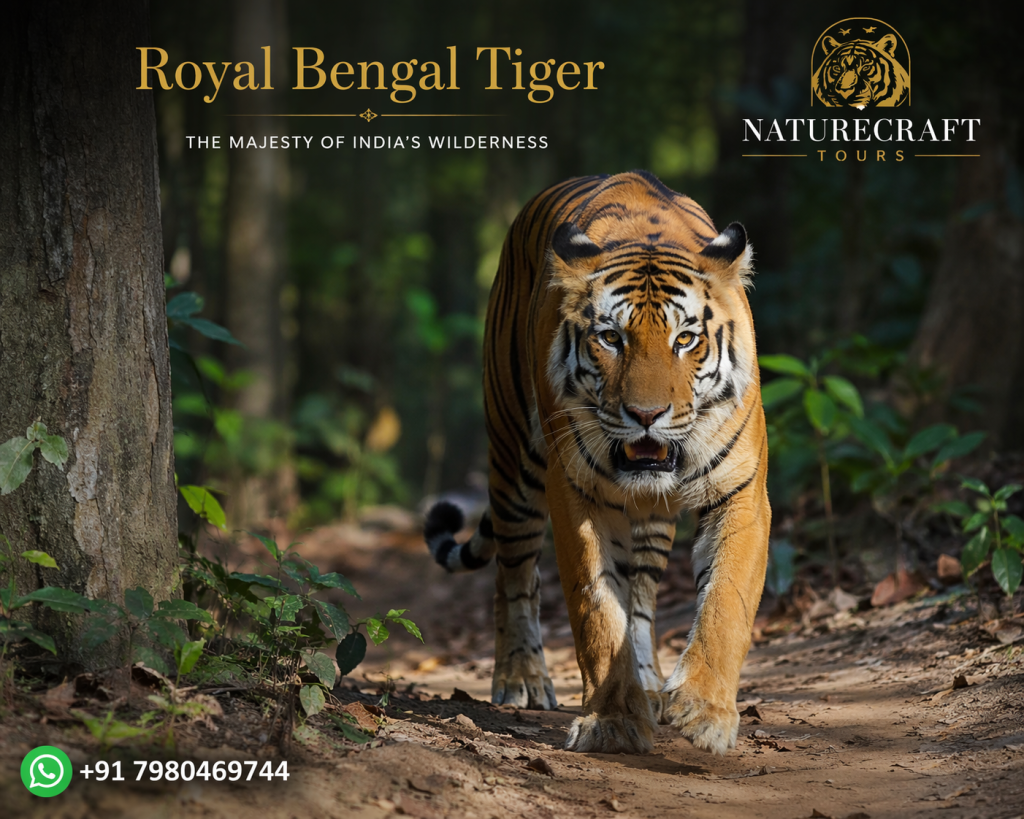
The tiger is the most symbolically powerful animal of the park, but the forest experience is not built around guarantees. Tigers here belong to a habitat of cover, patience, and broad territory. Their presence is often sensed through alarm calls, pugmarks, silence, scent, and prey behaviour rather than direct views. That is part of what makes tiger landscapes meaningful.
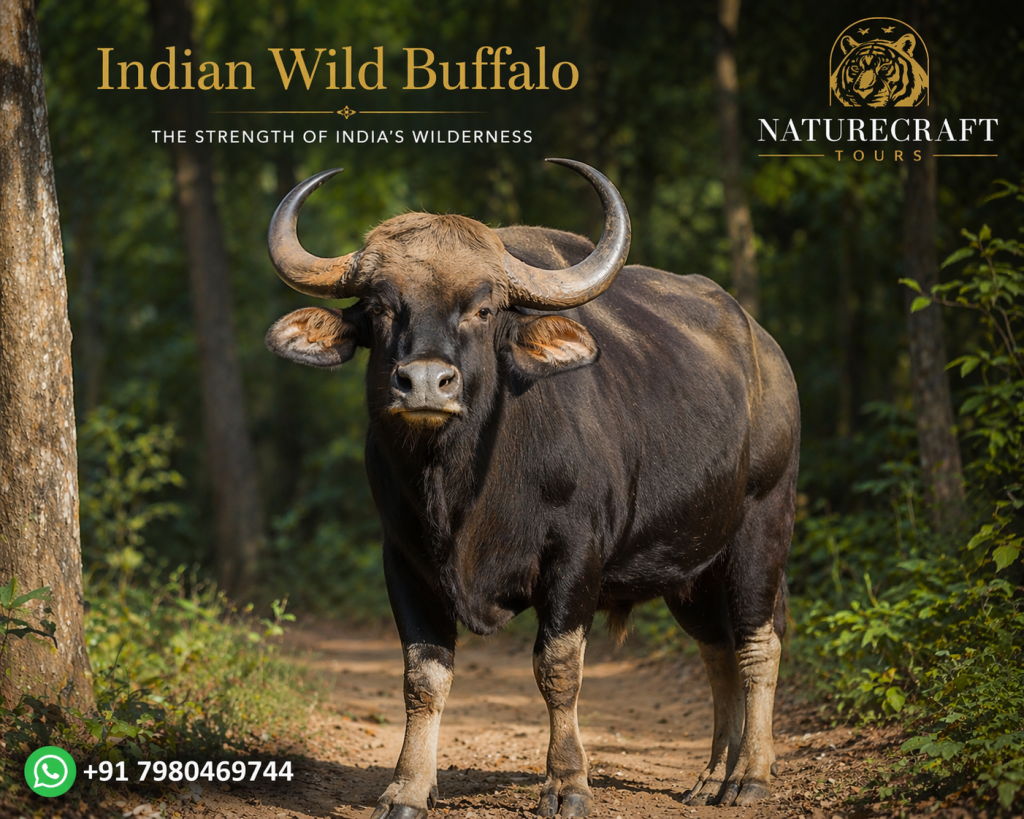
The wild buffalo gives Indravati exceptional conservation identity. This massive bovine is not merely a large herbivore; it is a symbol of habitat fragility and survival. Its continued association with Chhattisgarh makes Indravati particularly important in species recovery discussions.
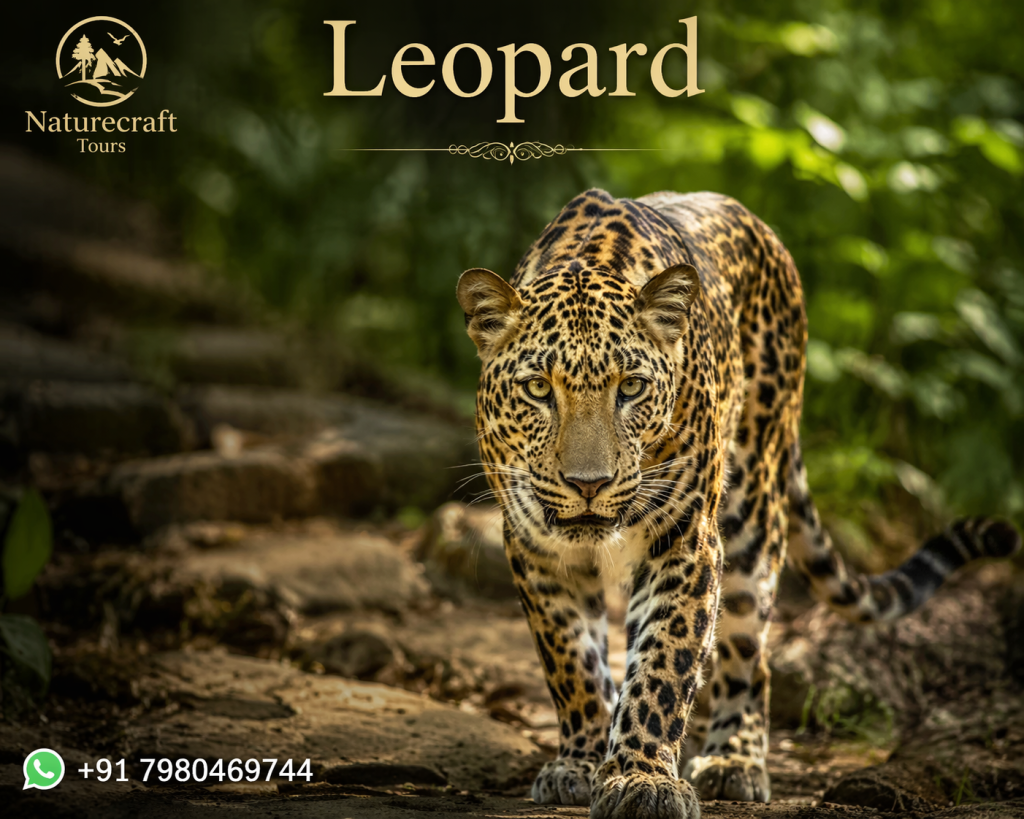

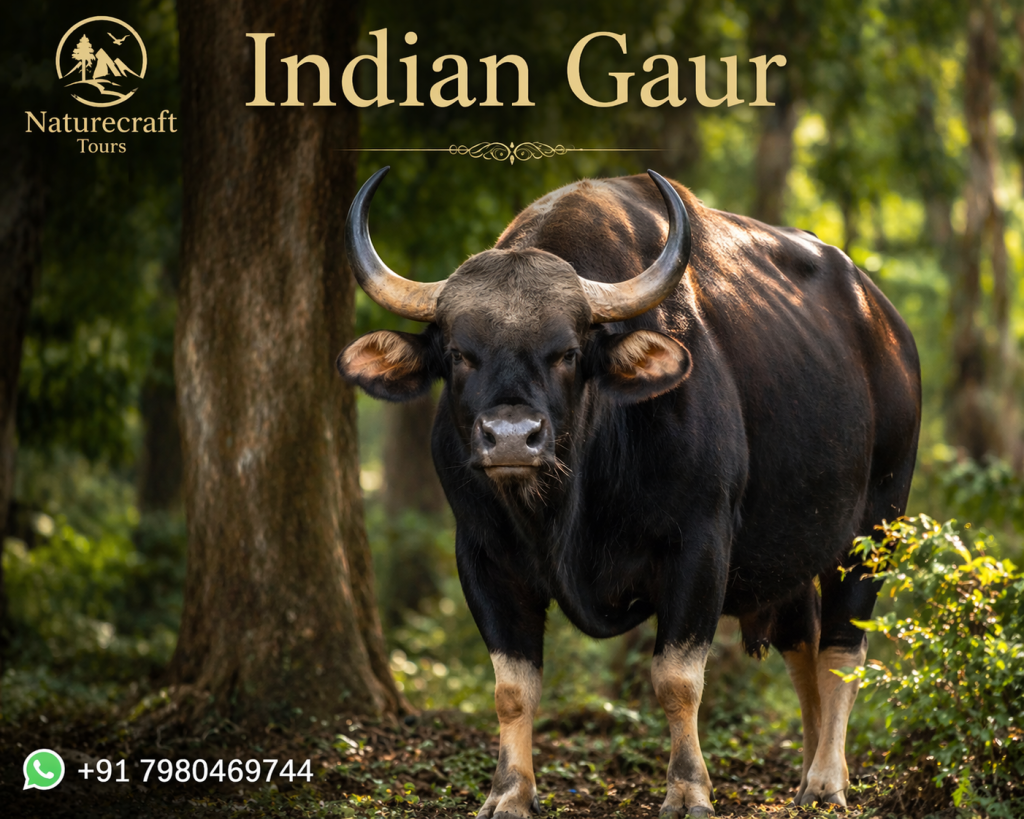
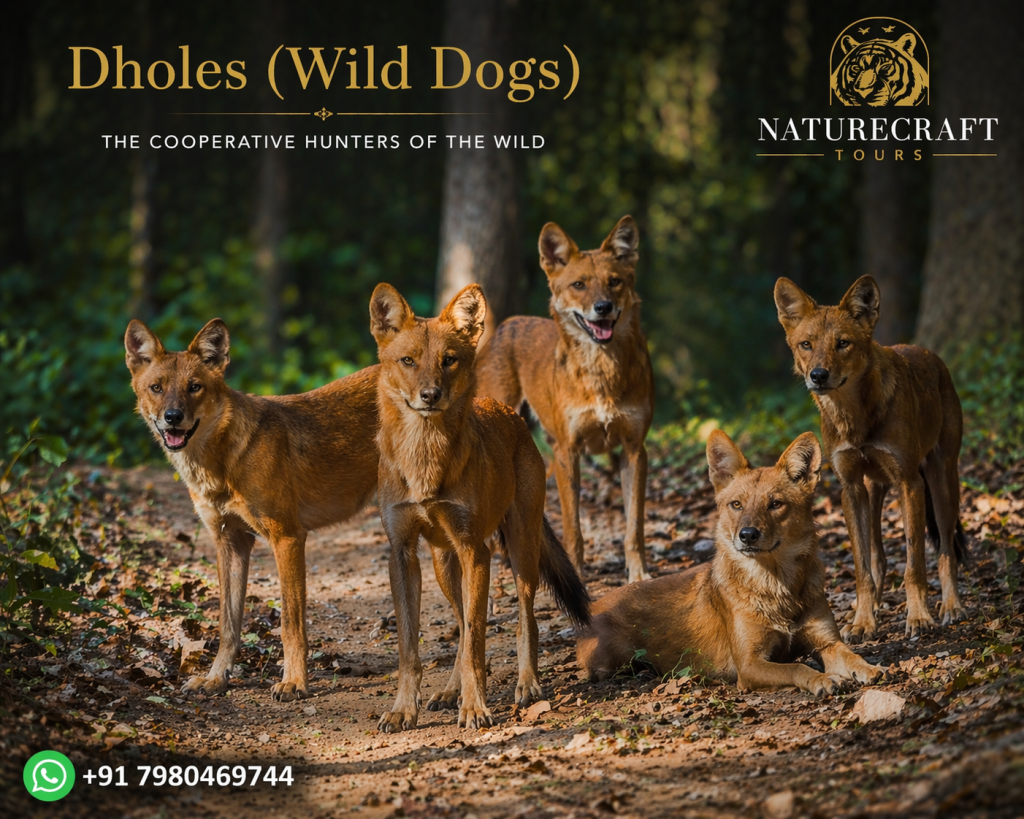
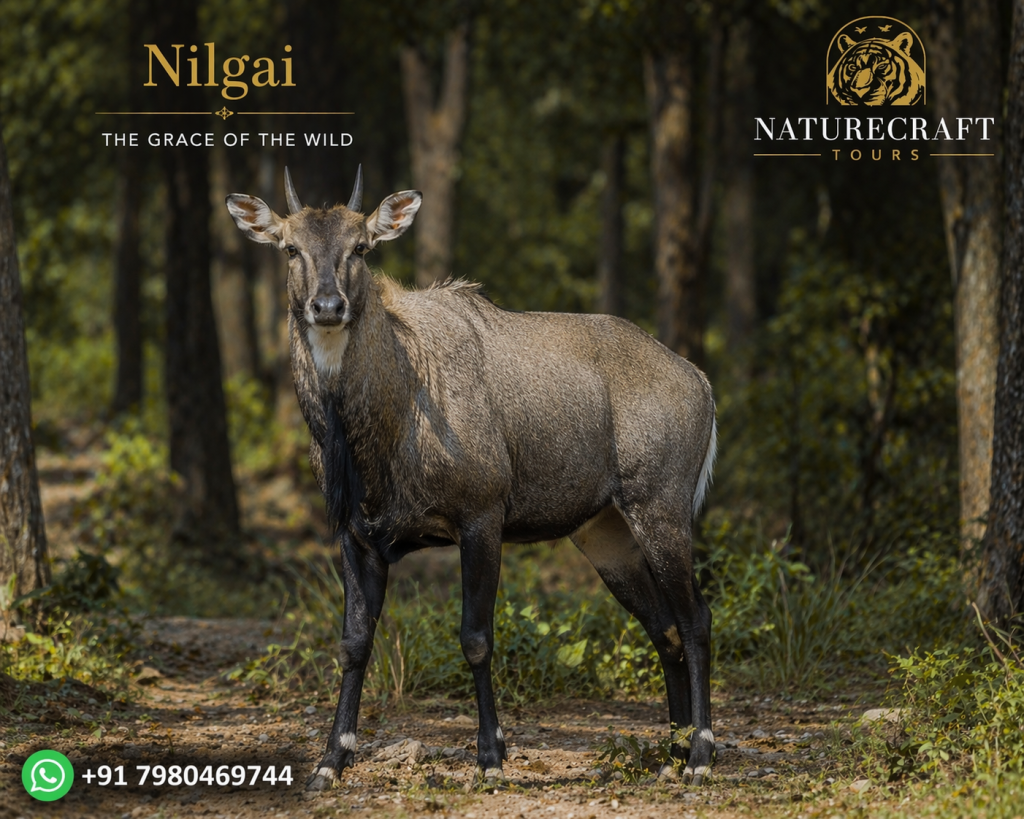
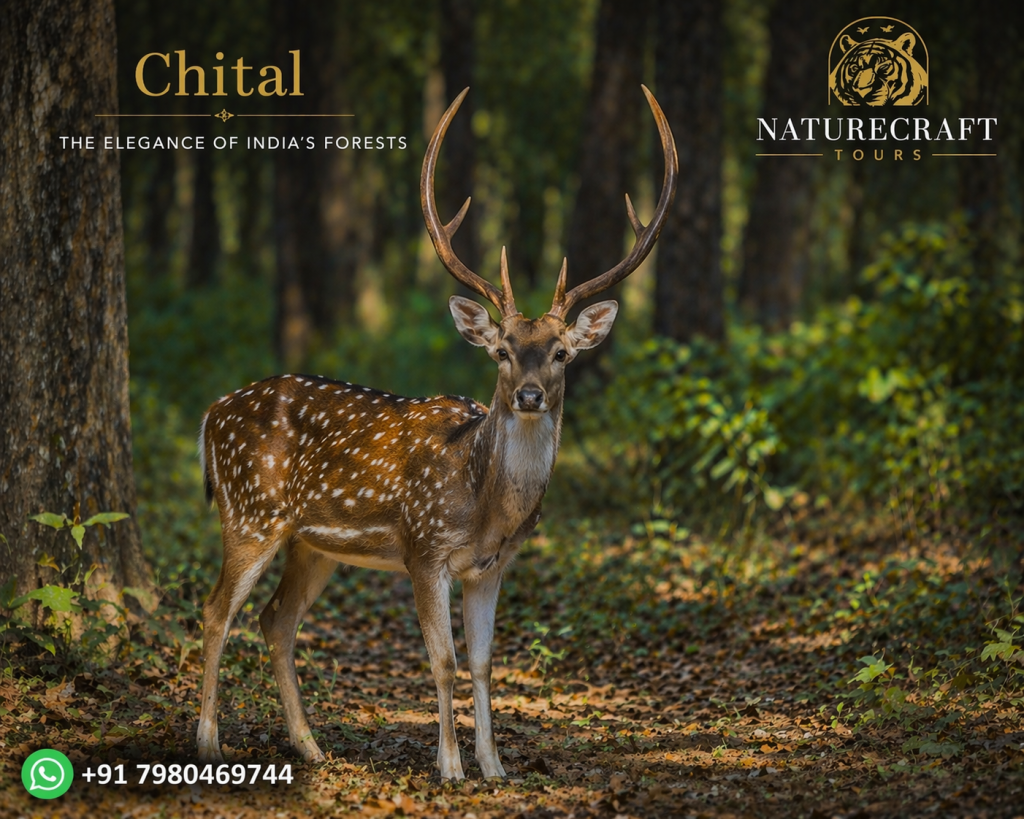
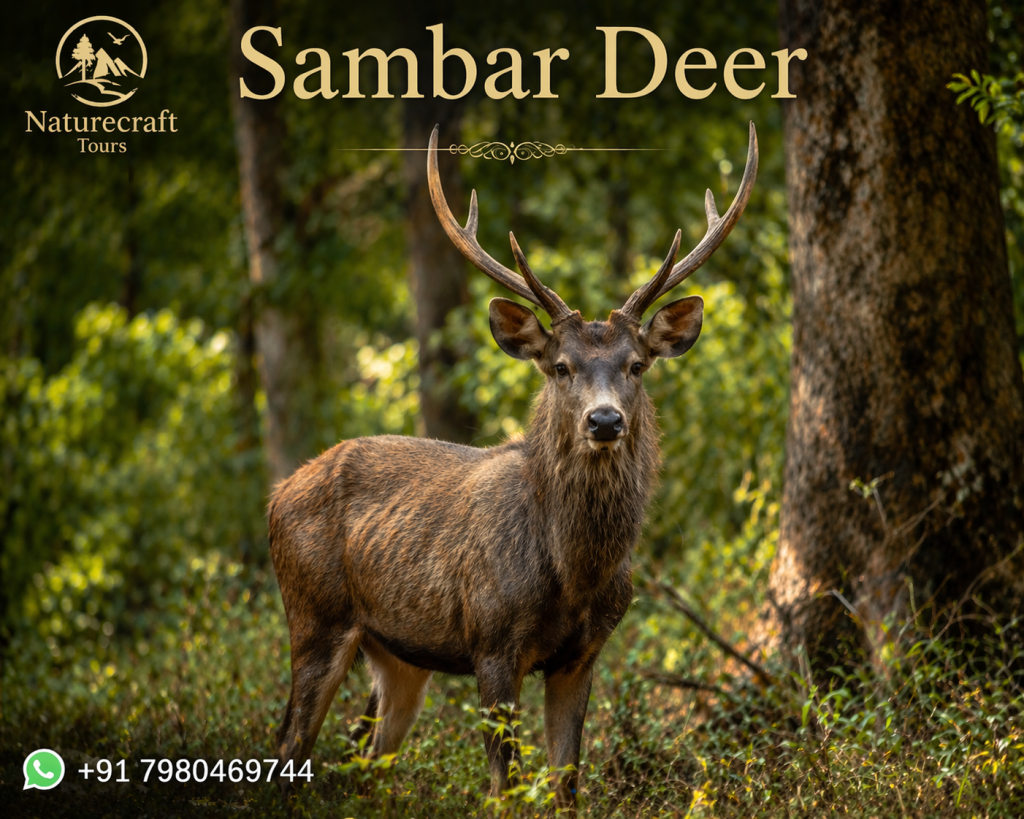
Leopards occupy a different visual and behavioural niche from tigers, often using edge habitat, rocky cover, and transitional forest space. Sloth bears represent another powerful dimension of the forest, moving with purpose through termite-rich and fruit-bearing zones. Gaur add weight and authority to grassland and woodland-edge habitat, while dholes reveal the social, cooperative side of predator ecology. Nilgai, chital, and sambar all contribute to the herbivore spectrum, each using the habitat differently according to feeding style, body size, and alertness pattern. Crocodiles in riverine sections reflect the park’s aquatic side, and birds add a vital upper and middle layer to the ecological picture.
Wildlife Experience and Field Observation Value
Indravati is a park where wildlife observation depends on patience more than speed. Large mammals are not always visible simply because they exist in the habitat. Forest density, light angle, road alignment, seasonal dryness, animal movement, and human silence all matter. A deer lifting its head repeatedly, langurs looking in one direction, or a sudden stop in bird calls may reveal more than a rushed safari ever will.
This is especially true in tiger country. Tigers move through cover and often cross visual openings quickly. Sloth bears may appear unexpectedly in feeding zones. Dholes can transform a quiet morning into a scene of intense alertness if they are on the move. Chital and sambar are important to watch not only as species in themselves but as readers of danger. Their posture, group spacing, and alarm calls carry information across the forest. Indravati rewards attentive visitors who understand that nature observation begins with listening.
Birdwatching Significance
Birdwatchers value Indravati because its habitats are varied enough to support woodland birds, raptors, river-linked birds, and edge species. The existing park descriptions commonly mention eagles, vultures, and waterfowl, but the broader appeal lies in habitat-driven diversity. Openings attract scanning raptors. River margins support aquatic and semi-aquatic birds. Woodland interiors favour drongos, rollers, and other forest-associated species. In cooler months, observation conditions can be especially rewarding because visibility improves and bird activity is often stronger in the softer light of morning and late afternoon.
Birding here is also interpretive. One does not simply count species. One reads layers: canopy movement, calls from bamboo edges, raptor silhouettes above clearings, and waterbird presence near quieter river stretches. For travellers who enjoy patient observation, this is one of the most meaningful ways to experience the park beyond the large mammals.
Main Attractions
Wildlife Safaris
Jeep safaris are the primary visitor activity in and around the park zone. They allow access to different habitat segments and create the best chances for observing large mammals, birds, tracks, and river-linked scenery. The value of a safari here lies in patient habitat reading rather than speed-based animal chasing. A good naturalist or local guide can help decode animal signs, identify bird calls, and explain why one meadow attracts gaur while another holds deer but little else.
Indravati River Belt
The river system is one of the defining features of the park. It shapes animal routes, vegetation patterns, and the visual mood of the landscape. River edges may support crocodiles, waterbirds, and fresh herbivore activity. Even when wildlife is not immediately visible, the river gives the park a sense of ecological continuity and quiet scale.
Grassland and Meadow Patches
Open feeding zones within a mostly forested landscape are extremely important. These areas improve opportunities to observe chital, nilgai, gaur, and occasionally predator-prey interaction patterns. They also help visitors understand how grazing grounds fit into the wider forest system.
Birdwatching and Quiet Observation
For those who prefer quieter field experiences, the park’s birdlife, soundscape, and light changes offer strong rewards. Morning movement, riverbank scanning, and patient watching near open edges can be deeply satisfying even on days when large predator sightings remain elusive.
Forest Atmosphere
A major attraction of Indravati is its feeling of untamed scale. The park still carries the psychological depth of a true protected landscape. The sounds of wind through dry deciduous forest, the pause before an alarm call, the shift from open road to shaded interior, and the sight of large animal tracks on dust all make the experience memorable.
Tribal, Cultural, or Human Landscape Context
The wider Bastar region around Indravati has a strong indigenous cultural identity. Forests in this part of central India are not only ecological zones but also part of lived landscapes where local communities have long-standing relationships with forest produce, seasonal rhythms, and land-based knowledge. Visitors should approach this context respectfully. The human story here is not a decorative side-note. It is part of how the region has historically functioned.
Mahua collection, knowledge of forest plants, traditional craft practices, and close reading of seasonal changes are all part of regional identity. Where community interactions are included by authorized local operators, such visits should be treated with humility rather than as spectacle. Responsible tourism in a region like this depends on listening, local employment, fair conduct, and respect for place.
Best Time to Visit
The most suitable period for visiting Indravati National Park is generally from November to May. This is the season when road access is comparatively better, forest movement is more manageable, and wildlife viewing improves as water sources become more important. Winter months usually offer the most comfortable weather for long drives, early safaris, and birdwatching. The air is clearer, mornings are pleasant, and light conditions are often ideal for photography.
From late winter into early summer, wildlife can become easier to observe near dependable water and open ground, although temperatures rise. Travellers focused on mammal observation often prefer the drier months because the vegetation is less dense and animal movement becomes slightly more predictable. Birdwatchers may enjoy both winter and the early dry season for visibility and active morning conditions.
Monsoon changes the park dramatically. Rainfall revives the landscape, grasses grow rapidly, small channels refill, and the forest becomes lush and difficult to read visually. This is ecologically beautiful but less suitable for regular tourism, which is why the park is commonly considered closed from June to October. Roads can be affected, access may become difficult, and wildlife viewing becomes secondary to habitat recovery.
For comfortable travel and better field visibility, aim for November to February. For stronger dry-season wildlife logic around water and open patches, March to May can be rewarding, but travellers must prepare for heat.
Timings, Entry Rules, Permits, and Visitor Regulations
Visitor movement in a protected landscape is regulated for ecological as well as safety reasons. Timing windows are designed around wildlife activity, daylight, and controlled access. Since park operations and access permissions may vary by season and management conditions, travellers should always reconfirm before departure. Based on the provided park structure, the usual safari timings are morning and evening slots.
- Morning timing: 6:00 AM to 10:00 AM
- Evening timing: 3:00 PM to 6:00 PM
- Seasonal closure: usually June to October due to monsoon conditions
- Entry permit: required for park visit and safari access
- Guide support: usually essential for safari-based interpretation and controlled movement
- Photography: camera fees may apply depending on equipment type
Rules matter in a park like Indravati because this is not an ornamental zoo-like space. Disturbance affects wildlife behaviour, breeding calm, waterhole use, and the authenticity of the forest experience. Noise, littering, feeding animals, getting out of vehicles in restricted areas, or pressuring guides for unsafe proximity all go against the logic of conservation travel.
Ticket Fees and Booking Process
The following fee structure is based on the existing information provided in the source article. Because forest department rules can change, travellers should still confirm current rates before travel.
- Indian Nationals: ₹50 per person
- Foreign Nationals: ₹300 per person
- Jeep Safari Fee: ₹1,200 per vehicle including guide charges
- Camera Fee: ₹100 for still cameras
- Video Camera Fee: ₹500
Booking is generally handled through the forest department office, the applicable official channel, or authorized travel operators. In remote wildlife regions, advance coordination is always better than casual arrival, especially if entry, guide assignment, transport, and local stay all depend on prior planning.
- Confirm that the park is open and that your chosen entry route is operational.
- Choose your date and preferred safari slot.
- Carry valid ID proof. Indian travellers should keep Aadhaar or equivalent ID, while foreign travellers should carry passport and relevant travel documents.
- Arrange vehicle, guide, and accommodation together whenever possible to avoid coordination problems in the field.
- Keep printed and digital copies of bookings, permits, and contact numbers.
How to Reach
By Air
- Nearest major airport: Swami Vivekananda Airport, Raipur
- Approximate distance from park region: around 400 km
- Best for travellers combining flight arrival with pre-arranged road transfer
By Rail
- Nearest practical rail point mentioned: Jagdalpur Railway Station
- Approximate distance: around 168 km
- Useful for travellers entering Bastar region and continuing by hired road transport
By Road
- Road access is commonly planned through Bijapur and Jagdalpur sectors depending on itinerary
- Bijapur is often treated as the nearer district reference point
- Private vehicles, local arrangements, or operator-supported transfers are usually more practical than relying entirely on last-minute public transport
- In remote zones, begin early in the day and avoid unnecessary night transfers
The most realistic travel strategy is to treat Indravati as a planned wilderness journey rather than a quick roadside stop. Distances may look manageable on paper, but road conditions, fuel planning, mobile network gaps, and local coordination make careful preparation essential.
Accommodation and Stay Planning
Accommodation around a remote national park should be judged by practicality, access reliability, cleanliness, food availability, and coordination support rather than by luxury alone. Depending on the route you choose, stays may involve forest lodges, basic guesthouses, eco-style accommodations, or town-based hotels in gateway areas. Travellers should not assume large resort infrastructure of the type seen in heavily commercialized parks.
- Forest-side or eco stays: suitable for early starts and stronger wilderness atmosphere, but usually simpler in comfort.
- Town-based stays: better for travellers who prefer more reliable food, electricity, and basic amenities.
- Operator-arranged packages: useful when transport, guide, permits, and accommodation need to be synchronized.
- Advance booking: highly advisable, especially in the active season from November to March.
Ask about hot water, power backup, meal timings, packed breakfast for safari departures, mobile charging, and driver accommodation if you are coming by private vehicle. In remote wildlife travel, these small details matter a great deal.
What Travelers Should Know Before Going
This is one of the most important parts of planning an Indravati trip. The park’s remoteness is part of its appeal, but it also means visitors should be prepared in a disciplined and realistic way.
- Carry valid ID documents and keep printed copies of permits, hotel confirmations, and contact numbers.
- Do not depend entirely on mobile signal. Network coverage may be weak or inconsistent in remote sections.
- Carry sufficient cash. ATM access may be limited depending on your route and stay location.
- Wear neutral-coloured clothing such as olive, brown, beige, or muted green. Avoid bright red, orange, or neon tones.
- Use proper footwear. Closed shoes with grip are better than sandals, especially if you expect uneven ground, dust, or short nature walks.
- Pack for heat and dust. A cap, sunglasses, drinking water, and light breathable layers are essential in the dry season.
- Carry insect protection and a small medical kit with personal medicines, antiseptic, and oral rehydration support.
- Prepare for early departures. Safaris often begin at dawn, so keep clothes, camera gear, and documents ready the previous night.
- Family suitability: suitable for families who enjoy nature and can manage early starts and long drives.
- Senior travellers: possible with careful planning, comfortable transport, and medically appropriate pacing.
- Children: best for children who can remain quiet during safari and tolerate heat, waiting, and long stretches without entertainment.
- Solo travellers: manageable when using an authorized operator or well-planned local arrangement.
- Responsible photography: never use flash near animals and never demand unsafe proximity for pictures.
- Food and water: keep drinking water and light snacks available, especially during transfer days.
- Behaviour in wildlife zones: stay calm, avoid loud speech, and follow guide instructions immediately.
Important Facts
Indravati National Park deserves attention not only because it is scenic, but because it represents a serious conservation landscape in central India. Its ecological value comes from habitat extent, carnivore potential, wild buffalo significance, river influence, and the fact that it still offers a feeling of forest continuity. It is also a strong reminder that protected areas are not all alike. Some parks are easy to access and heavily interpreted for casual tourism. Indravati remains more demanding, and in that difficulty lies much of its authenticity.
- National Park status: 1981
- Tiger Reserve inclusion: 1983 under Project Tiger
- Core national park area: about 1,258 square kilometres
- Named after: the Indravati River
- Major conservation identity: tiger landscape and wild buffalo refuge
- Habitat character: tropical dry deciduous forest with grassland, bamboo, and river-linked zones
- Visitor value: strong for wildlife observation, birdwatching, ecological travel, and serious nature photography
Interesting Facts
Indravati’s wildlife story becomes even more meaningful when the species discussed in this guide are seen in the wider context of Indian national parks. Many of these animals occur across different habitats in India, but their ecological role changes from place to place. The table below brings together some of the most important wildlife associated with this article and shows other Indian national parks where they are also found.
| Wildlife Species | National Parks in India |
|---|---|
| Royal Bengal Tiger | Indravati, Sundarban, Jim Corbett, Ranthambore, Bandhavgarh, Kanha, Tadoba, Pench |
| Indian Wild Buffalo | Indravati, Kaziranga, Manas, Dibru-Saikhowa |
| Leopard | Indravati, Jim Corbett, Ranthambore, Bandipur, Nagarhole, Satpura, Sanjay Gandhi |
| Sloth Bear | Indravati, Satpura, Bandhavgarh, Pench, Nagarhole, Mudumalai |
| Indian Gaur | Indravati, Kanha, Bandipur, Nagarhole, Periyar, Mudumalai, Anamalai |
| Dhole (Wild Dog) | Indravati, Kanha, Pench, Bandipur, Nagarhole, Periyar, Mudumalai |
| Nilgai | Indravati, Ranthambore, Blackbuck, Velavadar, Keoladeo, Madhav |
| Chital | Indravati, Sundarban, Jim Corbett, Kanha, Bandipur, Nagarhole, Pench, Tadoba |
| Sambar Deer | Indravati, Ranthambore, Kanha, Jim Corbett, Satpura, Bandhavgarh, Pench |
| Mugger Crocodile | Indravati riverine stretches, Ranthambore, Satkosia, Bhitarkanika, Kanger Valley |
| Crested Serpent Eagle | Indravati, Corbett, Kaziranga, Bandipur, Periyar, Khangchendzonga |
| Vultures | Indravati, Kuno, Ranthambore, Pench, Bandhavgarh, Desert National Park |
Nearby Attractions
A trip to Indravati can be combined with other major nature attractions in the Bastar region, especially for travellers planning a broader ecological circuit through Chhattisgarh. These places are not substitutes for the park; rather, they extend the landscape story in different ways.
- Tirathgarh Waterfalls: a dramatic forest waterfall experience associated with the Kanger Valley landscape, ideal for travellers who appreciate scenic geology and water movement.
- Chitrakote Waterfalls: one of the most famous waterfalls in central India, especially impressive in wider flow periods and useful for adding visual contrast to a forest-focused itinerary.
- Kutumsar Caves: a limestone cave system that introduces subterranean geology and a very different natural environment from the open forest experience of Indravati.
- Kanger Valley National Park: another important protected landscape in Chhattisgarh, known for forest, cave systems, and biodiversity, making it an excellent companion destination for nature travellers.
Sundarban Connection and Ecological Comparison
At first glance, Indravati National Park and the Sundarban may seem like very different worlds. Indravati belongs to the interior forest belt of central India, shaped by dry deciduous woodland, meadow openings, and river-linked forest habitat. The Sundarban, by contrast, is a tidal mangrove delta where mudbanks, creeks, saline water, and constantly shifting channels define the ecology. Yet there are meaningful points of comparison, and these comparisons help a traveller understand how different Indian tiger landscapes can be while still sharing certain ecological truths.
Both landscapes demand humility from the visitor. In Indravati, the forest hides movement through woodland cover, bamboo patches, and open-ground edges. In the Sundarban, the concealment comes from mangrove shadow, tidal creek margins, and broken lines of vegetation where visibility is rarely complete. In both places, predator presence is often felt before it is seen. A tiger does not need to appear for the habitat to feel fully alive. Alarm calls, sudden stillness, deer behaviour, and the tension of waiting are part of the experience in both forests.
There is also a strong prey-alertness connection. In Indravati, chital and sambar help reveal the emotional rhythm of the forest. Their body language, head turns, group clustering, and alarm calls can transform an ordinary morning drive into a serious reading of predator space. In the Sundarban, deer perform a similar role, though the setting is riverine and tidal rather than dry deciduous. In both habitats, herbivores act as interpreters of danger. They are not only prey animals; they are communicators of hidden movement.
Water shapes both parks, but in very different ways. In Indravati, the river and associated water bodies influence animal concentration during the dry season and create important riverbank habitat for reptiles and birds. In the Sundarban, water is the landscape itself. Travel often happens by boat, and ecological understanding emerges through channels, current, tide timing, mudflats, and mangrove roots. Those interested in a river-linked wilderness experience often find this comparison useful, especially when moving from inland forest systems toward Sundarban tour planning or studying how different tiger habitats function.
Birdlife offers another point of comparison. Indravati rewards patient woodland and river-edge birdwatching, while the Sundarban adds a strong estuarine and wetland dimension. Raptors, kingfishers, waterbirds, and habitat specialists all gain importance in a landscape where observation is as much about habitat reading as species listing. Travellers who are drawn to quiet ecological travel often appreciate both parks for this reason. The experience is not built only around one flagship mammal; it is built around atmosphere, waiting, and the intelligence of the landscape.
Finally, both parks remind us that fragile habitats require responsible tourism. Indravati’s dry forests and grassland edges can be disturbed by noise, careless movement, and weak planning. The Sundarban’s mangrove ecosystem is even more delicate because tidal processes, erosion, salinity, and shoreline sensitivity shape everything from vegetation to fish nurseries. Anyone exploring the idea of a Sundarban tour package after experiencing inland forests often discovers that the emotional rewards are similar even when the terrain is not. One offers jeep-based forest reading, the other often offers boat-based tidal reading, but both ask for patience, restraint, and ecological respect. For travellers seeking a more intimate and carefully planned delta experience, the idea of a Sundarban private tour becomes meaningful precisely because the landscape is too sensitive to be reduced to casual sightseeing.
Tips for Visitors
- Start planning early and confirm permits, stay, and transport as one connected arrangement.
- Keep expectations realistic. A meaningful safari is not measured only by tiger sighting.
- Use binoculars; they improve birding and distant mammal observation greatly.
- Move and speak quietly during all wildlife activity.
- Carry reusable water bottles and avoid plastic waste.
- Respect every local instruction related to route, timing, and photography.
- Build buffer time into your itinerary because remote road travel can take longer than expected.
- Morning light is often the most rewarding for both photography and animal movement.
- Stay attentive to sound. Alarm calls often tell the story before the eye does.
Conclusion
Indravati National Park is not a casual forest stop. It is a serious wildlife landscape with ecological depth, emotional quiet, and strong conservation meaning. Its forests, river influence, meadow patches, and rare wildlife make it one of central India’s most compelling but least superficial national park experiences. For travellers who value patience, habitat understanding, and the slow intensity of real wilderness, Indravati offers something powerful: not a polished spectacle, but a living forest where the mood of the land still matters.