Updated: April 17, 2026
Mollem National Park: A Complete Guide
Mollem National Park is one of the most important protected forest landscapes in Goa and one of the most ecologically valuable sections of the wider Western Ghats mountain system. For many travelers, Goa is first imagined through its coastline, churches, villages, and beaches. Mollem reveals a very different identity. Here the state becomes a land of moist valleys, heavy forest cover, fast monsoon streams, rocky ridges, deep shade, and a rhythm of life defined by water, leaf cover, and wildlife movement rather than by the sea. It is a landscape that feels slower, denser, and more layered.
Located near the Goa–Karnataka border within the Bhagwan Mahavir Wildlife Sanctuary, Mollem National Park forms the strict core protected area of this larger conservation landscape. Though many visitors first hear of the region because of Dudhsagar Falls or the forest approach to Tambdi Surla Temple, the park is much more than a sightseeing stop. It is an ecologically structured forest zone that supports diverse habitats, important river systems, endemic plant life, mammals adapted to thick cover, reptiles that rely on humid forest conditions, and a rich bird population that makes the area especially rewarding for patient nature observers.
What makes Mollem distinctive is not dramatic openness, but depth. The forest does not reveal itself instantly. Wildlife is often hidden. Sound travels differently under canopy. Light enters in broken patches. Seasonal changes alter the entire visual character of the park. In monsoon, it becomes intensely green, wet, and visually abundant. In the drier months, the same forest can appear quieter, more transparent, and more suitable for observation. This changing mood is central to the Mollem experience.
Key Highlight: Mollem National Park is part of the Western Ghats ecological zone and represents one of Goa’s most important forest landscapes for biodiversity, watershed protection, and habitat continuity.
History and Overview
Mollem’s conservation importance developed through its value as a protected forest and later through formal wildlife protection. The national park received its present status in 1978, while the surrounding Bhagwan Mahavir Wildlife Sanctuary became the broader protective landscape around it. Together, these areas preserve one of Goa’s largest and most important inland forest systems. The national park itself is understood as the stricter core zone, where conservation takes precedence and ecological processes are allowed to function with lower levels of disturbance.
Geographically, the park lies roughly 60 kilometers from Panaji and about 45 kilometers from Margao, which makes it reasonably accessible from major parts of Goa while still retaining a distinctly forested and relatively insulated character. This balance between accessibility and ecological seriousness is one reason Mollem is so important. It allows travelers to encounter an authentic protected forest without going to a very remote Himalayan or central Indian landscape.
Historically, this region also carries cultural value. The Tambdi Surla Temple, often associated with the Mollem forest zone, is one of the most remarkable examples of a heritage structure preserved within a living woodland setting. The temple does not stand apart from the forest; it feels embedded within it. This closeness between cultural memory and ecological continuity gives the Mollem region a character that is more layered than that of a purely recreational destination.
From a broader ecological perspective, Mollem matters because it helps maintain biological connectivity. Forest species do not recognize administrative boundaries. Large mammals, birds, reptiles, pollinators, and countless smaller organisms depend on uninterrupted habitat or linked habitat patches. A protected area such as Mollem therefore functions not only as a scenic place for visitors, but as part of a larger living network that keeps ecological processes intact across the Western Ghats.
Landscape, Terrain, and Ecosystem Character
The terrain of Mollem National Park is shaped by forested slopes, lateritic and rocky surfaces, stream-fed valleys, and hill features that create different ecological conditions across short distances. The topography is not flat, and this matters greatly. Elevation, slope, shade, soil moisture, and drainage all influence what kind of vegetation takes hold and which animals are more likely to use a particular zone. In a landscape like Mollem, ecological variation is often hidden within forest texture rather than expressed through broad open vistas.
Several habitat forms contribute to the park’s character:
- Moist deciduous forest with seasonal leaf fall and changing light penetration
- Evergreen and semi-evergreen sections with denser canopy and stronger humidity retention
- Riverine habitat along flowing streams and watercourses
- Rocky and sloping terrain that supports microhabitats for reptiles, insects, and shade-loving plants
- Valley systems where moisture remains longer and vegetation can stay lush even outside peak monsoon
Hydrology is central to Mollem. Water is not only visually present through waterfalls and streams; it is the force that structures much of the ecosystem. During the monsoon, rainfall transforms the park into a highly saturated landscape where runoff, stream flow, and seepage sustain a vivid green forest. In the drier months, permanent and seasonal water bodies become focal points for animal movement. This seasonal shift affects bird activity, mammal behavior, insect emergence, and the visitor’s entire sensory experience of the park.
The soundscape also changes with terrain. In valley zones, water may dominate. In thicker canopy stretches, sound becomes muted and layered. In more open patches, bird calls may carry farther. This is one reason Mollem rewards slow movement. The park is not best understood through speed. It is better read through changes in sound, moisture, shade, and the physical feel of the trail or forest road.
Flora
Mollem National Park supports a diverse plant community typical of the wetter and transitional forest types of the Western Ghats. The vegetation is not important only because it is lush or scenic. Plant structure determines the quality of habitat available to wildlife. Canopy trees shape shade and humidity. Understory shrubs provide cover. Bamboo and thickets create movement corridors or concealment. Fallen leaves and decaying wood support invertebrates, fungi, and soil organisms that keep the ecosystem functioning.
The forest commonly includes species associated with moist deciduous and semi-evergreen systems. The existing article already mentions major groups such as Terminalia, Dalbergia, bamboo, medicinal plants, and orchids. These are important because they reflect both structural and ecological diversity. Terminalia species contribute to upper-level forest architecture, Dalbergia species have ecological and timber significance, bamboo can create localized dense cover, and orchids indicate moisture-rich conditions and seasonal botanical diversity.
- Terminalia species help shape canopy character and forest shade patterns
- Dalbergia adds to the diversity of valuable hardwood vegetation
- Bamboo clusters provide cover for smaller mammals, reptiles, and birds
- Medicinal plants reflect the botanical richness of the forest floor and understory
- Orchids contribute seasonal delicacy and indicate moist woodland conditions
Seasonality strongly changes the appearance of Mollem’s plant life. During monsoon, the forest appears saturated, layered, and highly productive. Mosses, ground herbs, climbers, and moisture-loving plants become more visible. Leaf surfaces shine, trunks darken, and the understory thickens. In winter and the early dry period, visibility improves in some sections. This makes the forest easier to observe, though less visually dramatic than during the rains. For plant lovers, both seasons have value: monsoon for vitality and growth, winter for structure and readability.
The botanical importance of Mollem also lies in habitat texture. Dense forest is not uniform. Some patches feel lofty and shaded, others open and transitional. Some streamside stretches support moisture-rich vegetation, while hill slopes may appear more mixed and seasonally responsive. This variation is one reason the park supports such a wide range of fauna.
Fauna
Mollem National Park is a biodiversity-rich forest zone where the fauna is shaped by cover, water availability, and terrain complexity. Wildlife viewing here is not always about constant sightings. This is not an open grassland park where animals remain visible from long distance. Mollem is a forest of concealment. Many animals are present but remain hidden by slope, vegetation, shadow, and caution. This is precisely what gives the park ecological seriousness and interpretive value.
Mammals

The leopard is one of the most compelling predators associated with Mollem. In such a forested habitat, leopard presence is often felt more through ecological signs than direct sighting. Dense cover, shadowed terrain, and highly alert prey species make the animal difficult to observe. Yet this difficulty itself says something important about the health of the forest. A predator that can move unseen through layered habitat reflects a functioning ecological relationship between cover, prey, and silence.
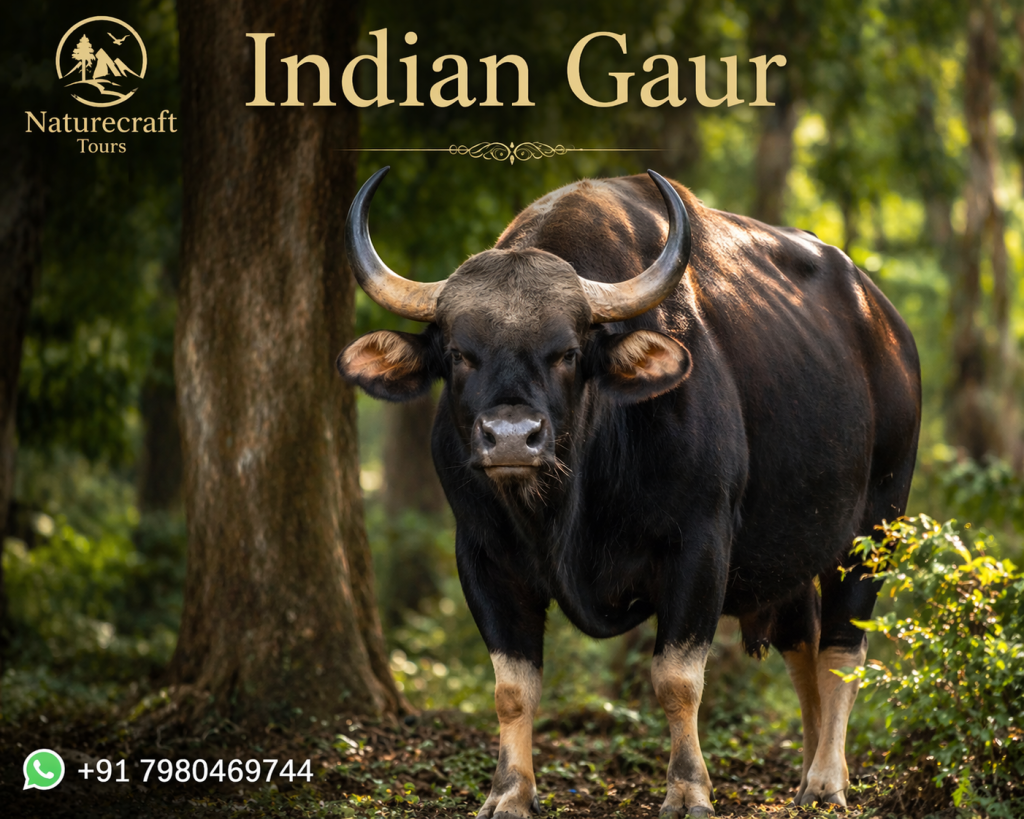
Indian gaur, the largest wild bovine in India, represents another major mammal of the Mollem landscape. In forest parks, gaur often bring a sense of scale to the ecosystem. Their size, movement, and grazing or browsing behavior affect vegetation and help shape the dynamic between herbivore pressure and regeneration. A gaur sighting in a forest opening or along a quieter road section can be one of the most memorable experiences in Mollem because the animal’s mass contrasts so strongly with the secrecy of the surrounding woods.
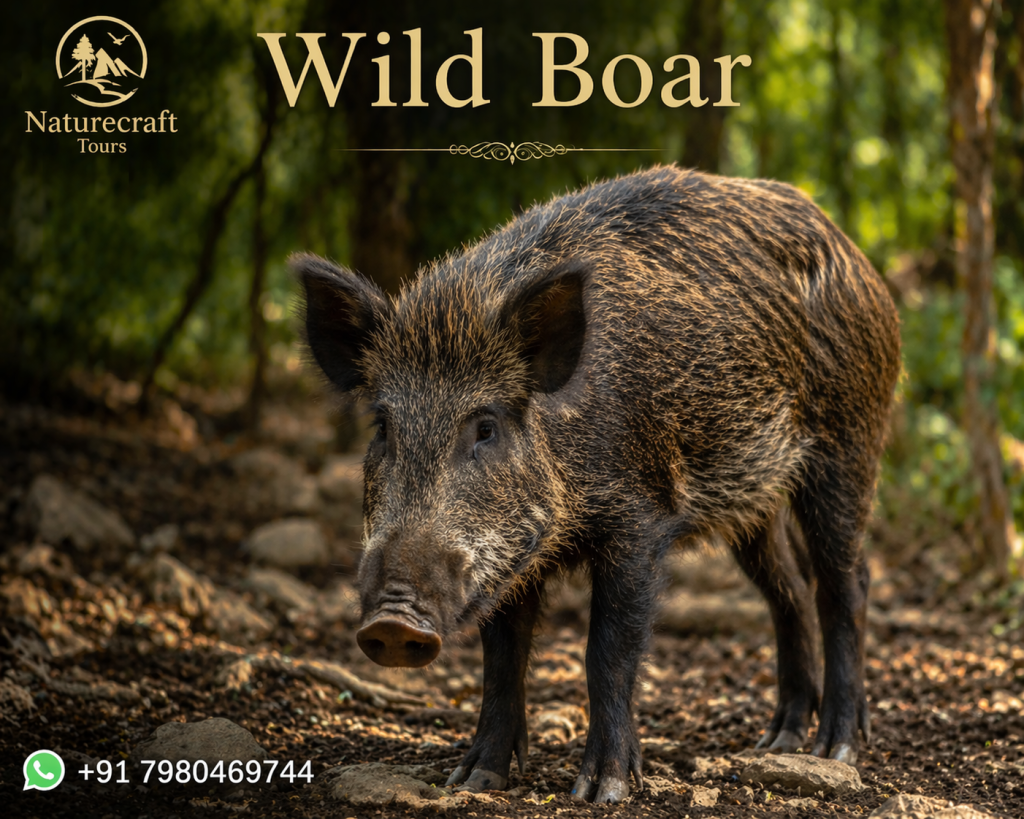
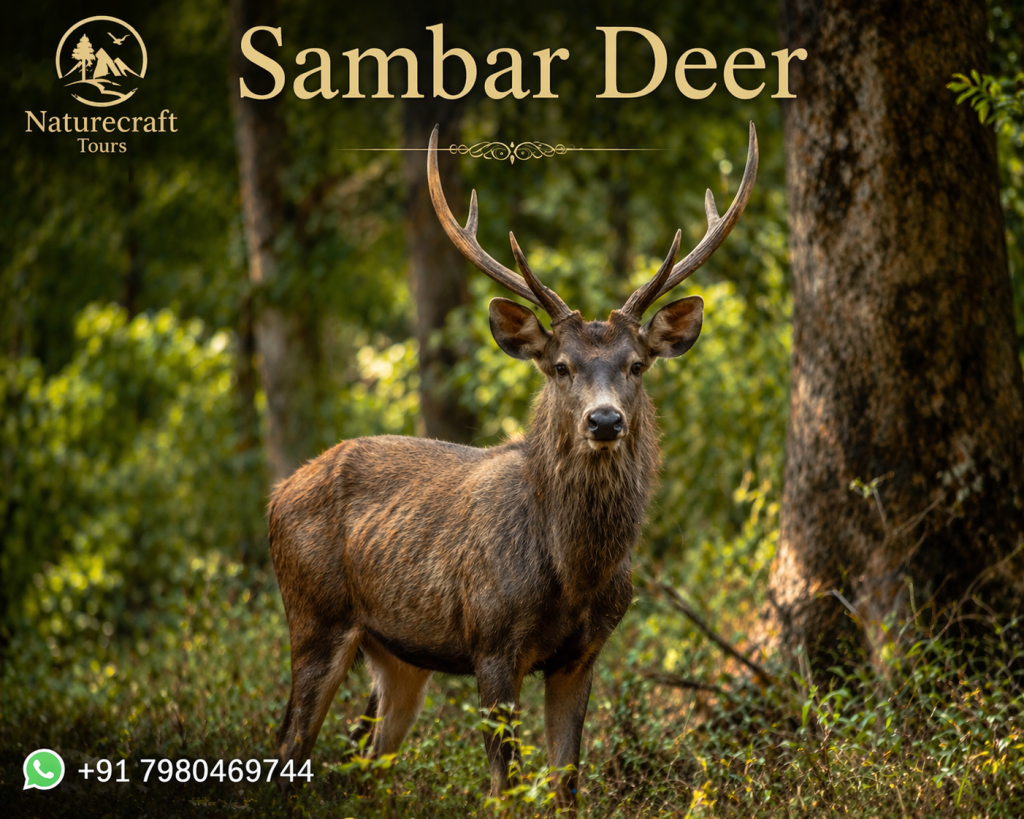
Wild boar are adaptable and ecologically important. They use forest floor resources, root through leaf litter, and respond quickly to food and moisture conditions. Sambar deer are equally significant because they form part of the herbivore base that larger predators depend upon. Their alertness, listening behavior, and preference for cover-rich habitat make them a classic forest ungulate. Bonnet macaques add another dimension, bringing visible primate behavior into the visitor experience, especially near more accessible edges or movement corridors.

Birds
Birdlife is one of Mollem’s strongest natural attractions. The existing article notes that the park supports more than 200 bird species, and this alone places it high on the list of rewarding forest destinations for birdwatchers. Forest birds are often heard before they are seen. Calls echo through canopy layers, and brief visual encounters may come only when light, silence, and patience align.
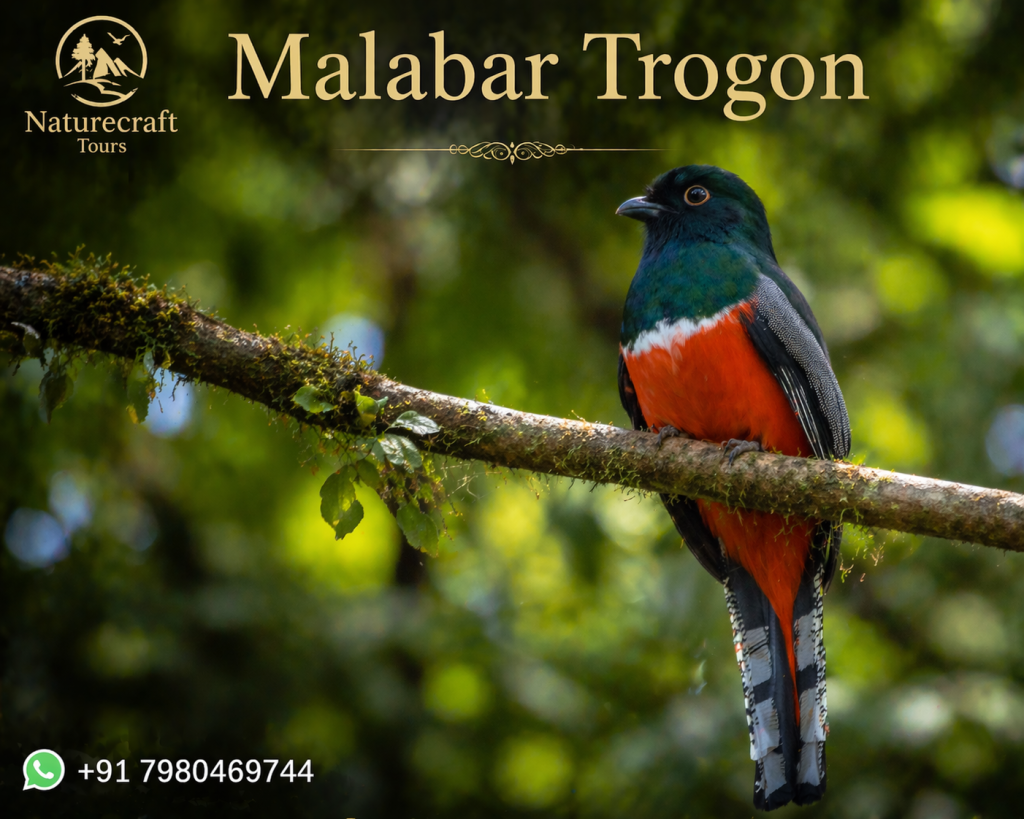
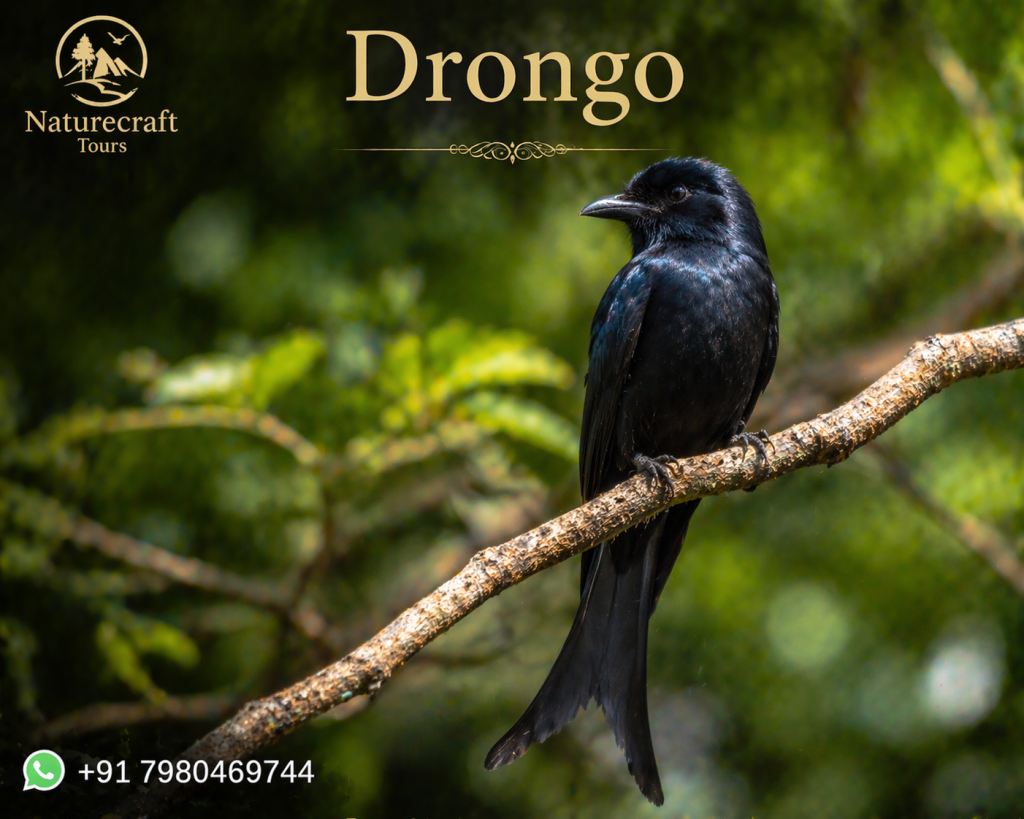
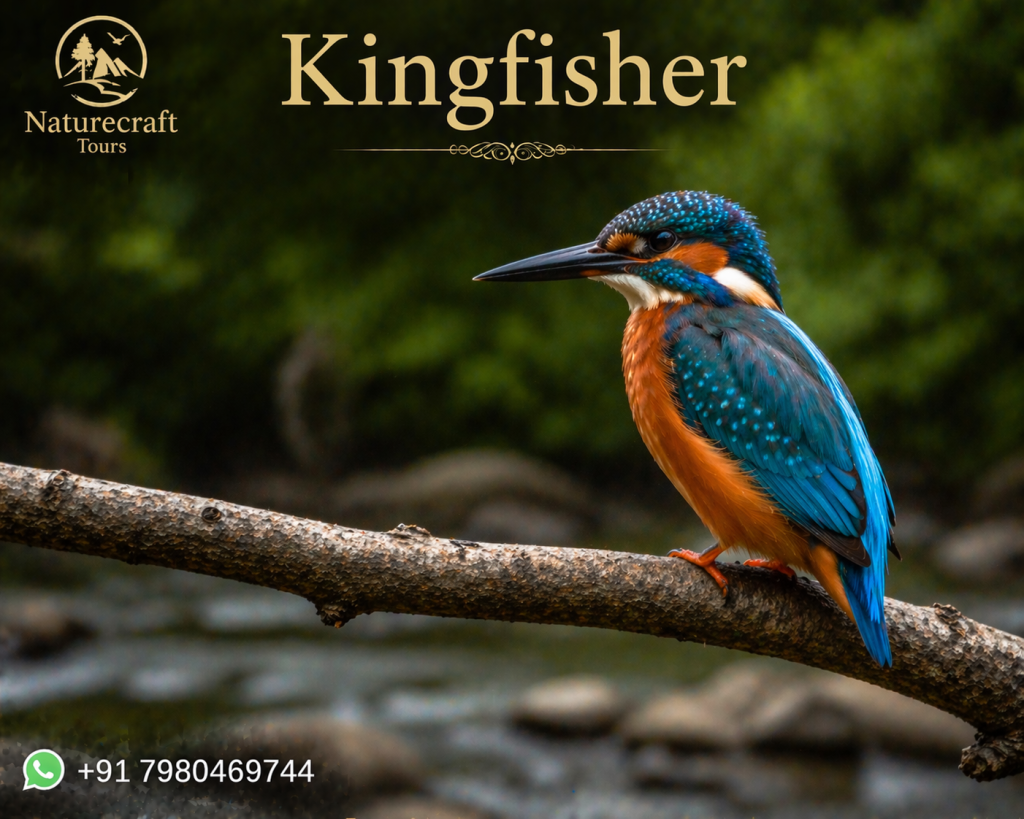
The Malabar trogon is one of the most sought-after birds in such habitats because it embodies the color, stillness, and visual refinement of Western Ghats birding. Drongos bring movement and aerial agility, often using exposed perches. Fairy bluebirds are visually striking and deeply associated with richer forest patches. Kingfishers add another ecological note by linking birdwatching to water systems, stream edges, and river-linked habitats within or near the park.

Reptiles, Amphibians, Butterflies, and Smaller Life
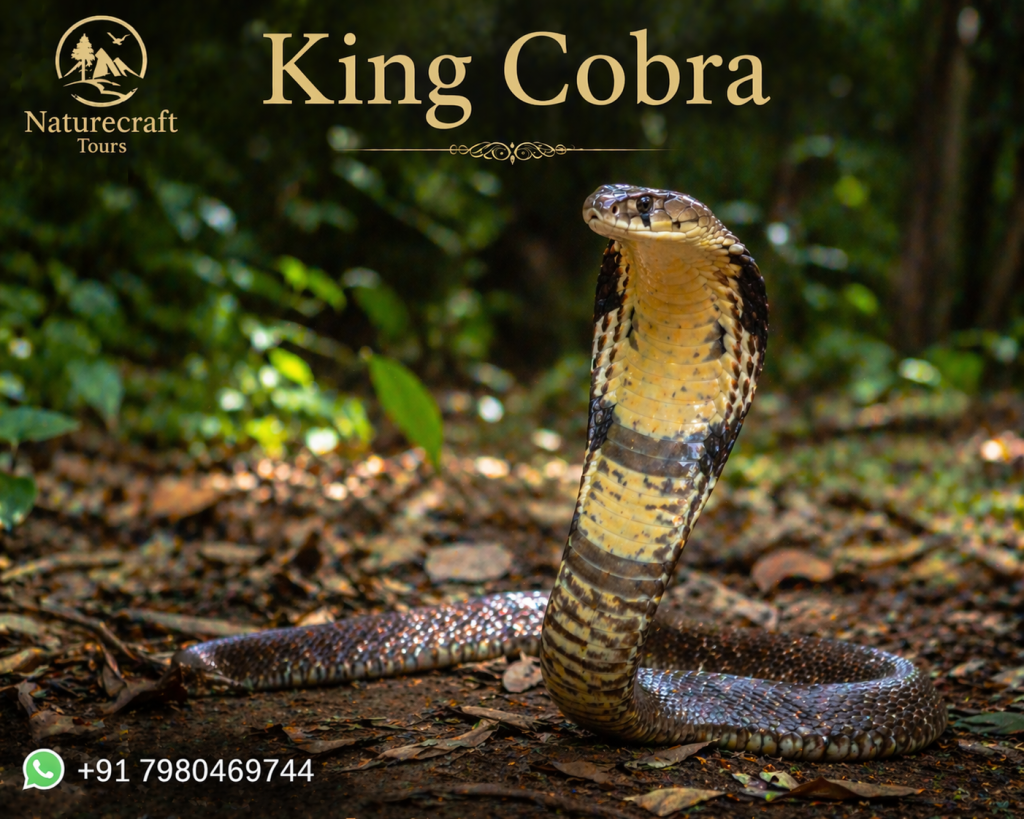
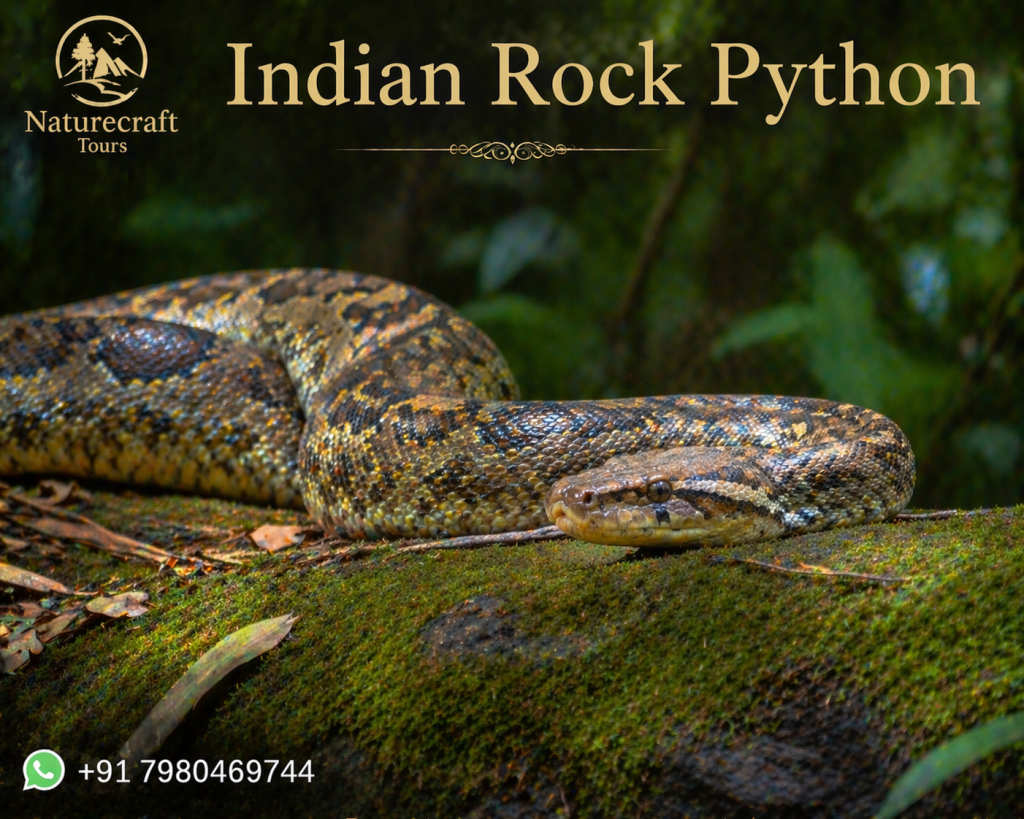
Humid forest environments such as Mollem are especially important for reptiles and many lesser-observed life forms. The king cobra, Indian rock python, and monitor lizard all suggest habitat quality, prey availability, and ecological complexity. Reptiles in such a landscape depend on a combination of shade, moisture, basking opportunities, ground cover, and undisturbed shelter.

The butterfly life, including Blue Mormon and Crimson Rose, adds seasonal movement and color to the park. Butterflies are more than decorative presences. They respond to host plants, moisture, sunlight, and seasonal flowering. Their presence enriches the ecological reading of the landscape. Amphibian life is also likely to be significant in such a wet forest system, particularly during and after the monsoon when moisture-sensitive species become more active. Even when not named individually, amphibians remain part of what makes a Western Ghats forest biologically vibrant.
Wildlife Experience and Field Observation Value
Mollem is a park for observers rather than collectors of quick sightings. A meaningful visit depends on timing, patience, and realistic expectations. Forest animals are often most active during cooler parts of the day. Light matters. Sound matters. Even the pace of one’s movement matters. In thick forest, the difference between a rushed visit and a rewarding one can be the difference between seeing only trees and sensing the structure of a living habitat.
What visitors may realistically observe includes bird calls, butterflies, primate movement, water-rich habitat, forest texture, tracks or signs, and on fortunate days, larger mammals. Predators and shy herbivores are more difficult. This should not be seen as a weakness of the park. It is a sign that Mollem remains a true forest landscape where wildlife still uses concealment effectively.
Field Note: In Mollem, silence is often more valuable than distance covered. Listening to alarm calls, watching stream edges, and observing shaded openings can reveal more than rapid movement through the forest.
Birdwatching Significance
Birdwatchers value Mollem because it combines forest depth, water-linked habitats, and varied vegetation layers. This creates opportunities for observing canopy birds, understory species, edge birds, and water-associated birds. Early morning remains the most rewarding period. The quality of birding improves when visitors slow down and allow the forest to become acoustically legible. Instead of looking only for bright birds, experienced observers often begin by identifying movement, calls, shadow shifts, and feeding patterns.
Winter and the post-monsoon period are particularly rewarding because access is easier, visibility improves, and bird activity can be followed more comfortably. Serious birdwatchers may appreciate the park not just for the species count, but for the quality of habitat in which bird behavior can be observed in a relatively undisturbed setting.
Main Attractions
Dudhsagar Falls and the River Landscape
Dudhsagar Falls is one of the most famous attractions associated with the Mollem region. Its appeal is obvious, but its ecological importance is often less discussed. The waterfall represents the dramatic visibility of the park’s hydrology. It reminds visitors that the forest is fundamentally a water-shaped system. The surrounding river corridor, spray zone, rocky surfaces, and forested approach all reflect the close relationship between water and woodland structure.
Tambdi Surla Temple
Tambdi Surla Temple offers a rare combination of history, stone craftsmanship, and forest setting. It is not only a heritage attraction but also an interpretive point for understanding how culture and landscape can coexist. Reaching the temple through forest gives the experience a quiet intensity that differs from visiting monuments in urban settings.
Forest Drives, Trails, and Scenic Woodland Corridors
The forest roads and trail approaches around Mollem are themselves part of the attraction. Shaded corridors, stream crossings, and shifting vegetation create a sense of immersion. These routes are important because they allow visitors to experience the forest as habitat rather than as a single landmark destination.
Tribal, Cultural, or Human Landscape Context
The Mollem region should not be understood as an empty wilderness. Forest landscapes in India often exist alongside local communities, traditional routes, older cultural associations, and long histories of coexistence. Any discussion of nearby human presence should remain respectful and factual. Visitors benefit from understanding that protected forests are part of larger lived landscapes, where conservation, heritage, and local identity intersect.
This human context matters because it shapes access, interpretation, and responsible behavior. Temples, village zones, and local transport routes are not separate from the park experience. They form part of the wider Mollem region and help explain how people have historically related to this forested terrain.
Best Time to Visit
The best time to visit Mollem depends on what kind of experience a traveler wants. This is not a park with a single perfect season. Each period reveals a different aspect of the landscape.
- Monsoon: Best for dramatic greenery, waterfalls, mist, and the feeling of a saturated rainforest-like environment
- Post-monsoon: Excellent for lush scenery with somewhat better accessibility
- Winter: Best for comfortable travel, birdwatching, and clearer wildlife observation conditions
- Early summer: Useful for understanding the drier structure of the forest and watching animals focus more around water-linked areas
Monsoon transforms Mollem into a visually powerful landscape, but travel can become more challenging. Trails may be slippery, water flow stronger, and access more weather-dependent. Winter is easier for most travelers and generally more comfortable for longer exploration. Families, senior travelers, and first-time visitors often find the cooler months more manageable, while dedicated photographers and rain-forest lovers may prefer the wet season despite its limitations.
Timings, Entry Rules, Permits, and Visitor Regulations
Access patterns within the Mollem region can vary depending on the exact point being visited, weather conditions, forest rules, and whether a visitor is entering a tourism-linked zone, a temple route, or an area associated with major attractions such as Dudhsagar. Because protected landscapes are managed with ecological caution, visitors should always verify current access conditions locally before travel.
- Entry is generally day-based and linked to the specific access point or activity
- Some routes or attractions may require separate local permissions or transport arrangements
- Guides or authorized local vehicles may be required in certain sections
- Restricted movement in core wildlife areas is normal and should be respected
- Loud noise, littering, off-route wandering, and wildlife disturbance should be strictly avoided
- Photography is usually possible, but flash or intrusive behavior near wildlife is not advisable
Important: Forest regulations are not obstacles to tourism. They exist because habitats such as Mollem are sensitive to disturbance, erosion, noise, plastic waste, and uncontrolled movement.
Ticket Fees and Booking Process
The existing article does not provide fixed ticket prices, and fees in protected landscapes can change depending on the attraction, vehicle policy, guide requirement, camera use, and local forest administration rules. For this reason, travelers should treat ticketing at Mollem as a practical process rather than assume a single all-purpose entry system for every site in the larger region.
- Carry cash as well as digital payment options where possible
- Keep a valid photo ID available for permits or local registration needs
- Check whether your chosen attraction involves separate transport charges
- Ask in advance about guide availability during peak season
- During holidays or heavy tourist periods, start early to reduce delay
Visitors planning a more serious nature-focused trip should avoid treating Mollem as a last-minute stop. Even where entry itself is straightforward, transport coordination, weather, time of day, and local queues can affect the quality of the visit.
How to Reach
By Air
The nearest air access for most travelers is through Goa’s airports, after which the journey continues by road toward Mollem. Travelers should account for onward travel time, especially if planning a same-day park visit.
By Rail
Rail access is convenient for many travelers entering Goa or nearby regions. Depending on itinerary, travelers may use a larger rail hub and then continue by road toward Mollem. Railway-linked travel can work well for those combining the park with other parts of Goa.
By Road
Road travel is the most practical option for reaching Mollem. The route from Panaji or Margao is manageable for day visitors, though starting early remains advisable. The final experience depends on season, weather, and whether one is visiting a landmark site, a forest access point, or a broader nature circuit.
- Panaji to Mollem is a commonly used approach
- Margao also serves as a practical starting point
- Private vehicles, hired cabs, or organized transport are often the easiest options
- In monsoon, allow extra time because weather may slow road travel
Accommodation and Stay Planning
Many visitors come to Mollem on a day trip, but an overnight stay nearby often creates a better experience. Forest travel is more rewarding when mornings and evenings are not rushed. Accommodation planning depends on whether you want a simple base close to the park or a more comfortable stay in a larger Goan town with a day excursion into the forest.
- Basic guesthouses or local stays may suit travelers who want early access
- Town-based hotels offer more comfort but increase travel time to the park
- Nature-focused travelers should prioritize location over luxury
- Confirm electricity, food availability, and late-arrival feasibility in advance
- Peak travel periods may require earlier booking
What Travelers Should Know Before Going
Mollem rewards prepared travelers. This is not a place where casual timing, unsuitable footwear, or poor weather planning can be ignored. Forest conditions change quickly, and comfort depends greatly on preparation.
- Carry a valid ID and keep it accessible
- Wear shoes with good grip, especially in wet conditions
- Use light, breathable clothing but keep one rain layer during uncertain weather
- Carry drinking water, basic snacks, and a personal medical kit
- Use insect protection in humid months
- Be prepared for slippery ground, uneven surfaces, and occasional walking effort
- Do not depend fully on mobile signal in deeper forest-linked zones
- Keep some cash because remote points may not always support smooth digital payment
- Families with children should keep the itinerary simple and avoid overloading the day
- Senior travelers should assess walking difficulty before choosing certain routes
- Solo travelers should inform someone of their route and avoid poorly timed late returns
- Respect wildlife distance and never try to provoke a better photograph
- Leech, mud, and heavy moisture can become relevant in monsoon or immediately after rains
Sundarban Connection and Ecological Comparison
At first glance, Mollem National Park and Sundarban National Park seem to belong to completely different worlds. Mollem is a Western Ghats forest of hills, slopes, shaded streams, high rainfall, and dense inland woodland. The Sundarban is a tidal mangrove landscape shaped by estuaries, mudbanks, saline influence, creeks, and the constant rhythm of incoming and outgoing water. One is read through elevation and canopy depth, the other through channels, tides, roots, and open wetland margins. Yet when observed carefully, both landscapes reveal some meaningful ecological similarities.
The first shared quality is caution. In Mollem, the forest is thick enough that animals often disappear into shadow and cover within seconds. Deer remain alert, leopards stay largely unseen, and movement is often detected indirectly through alarm calls, rustling, or sudden silence. In the Sundarban, the same principle operates differently. There, mangrove creeks, pneumatophore-rich mud, and layered vegetation make wildlife equally difficult to observe. Even where the terrain appears more open from a boat, the animal world remains elusive. This is why both parks teach the same lesson: wildlife-rich habitats are not always visually generous, and that restraint is part of their authenticity.
Another comparison lies in herbivore alertness and predator logic. In Mollem, sambar and other prey species rely on listening, cover, and stillness. In the Sundarban, spotted deer and other prey species depend on vigilance because the tidal forest also limits visibility. Predator-prey relationships in both places are shaped by concealment. The physical structure differs, but the ecological principle is similar. Predators benefit from broken sightlines, while prey survive by heightened awareness.
Birdlife offers another real connection. Mollem’s bird richness emerges from canopy layers, forest edges, stream corridors, and varied vegetation. The Sundarban’s birdlife is tied to mudflats, creek banks, mangrove edges, and wetland feeding zones. In both places, serious observation requires time and method. One does not simply arrive and collect species casually. A patient approach, whether in a forest trail or from a slow-moving boat, makes the difference. Travelers trying to understand that slower, more attentive approach often find value in a structured Sundarban tour package because tidal landscapes also demand planning and respect.
Water shapes both ecosystems, though in very different ways. In Mollem, freshwater streams, waterfalls, and monsoon-fed valleys support humidity, vegetation growth, and wildlife concentration. In the Sundarban, tidal water determines salinity gradients, bank stability, channel depth, and habitat change. Yet in both parks, the traveler feels that the landscape is always in motion. To understand either destination properly, one must pay attention to rhythm rather than rush. That is true whether one is reading forest silence in Mollem or channel movement during a Sundarban travel guide style journey.
There is also a shared sense of ecological fragility. Mollem may appear strong because of its tree cover and mountain-water setting, but like all Western Ghats habitats, it depends on continuity, low disturbance, and watershed health. The Sundarban may appear expansive, yet it is equally sensitive, shaped by tides, erosion, salinity, and habitat pressure. Both places remind visitors that forests are living systems rather than tourist backdrops. Those who are interested in forest observation, careful movement, and habitat sensitivity often appreciate both landscapes, even though one is inland and the other mangrove-based. For readers thinking about how different Indian forest experiences can still share a similar ecological seriousness, broader Sundarban travel planning often makes that comparison easier to understand in practice.
Interesting Facts
Mollem National Park’s wildlife profile becomes even more interesting when viewed in the wider context of India’s protected areas. Many of the species associated with Mollem are also found in other major national parks, but their behavior and visibility often change depending on terrain, forest density, water systems, and human pressure. The table below highlights important Mollem-linked wildlife and shows how these species also occur across other Indian national parks.
| Wildlife Species | National Parks in India |
|---|---|
| Leopard | Jim Corbett, Ranthambore, Bandipur, Nagarhole, Satpura, Sanjay Gandhi |
| Indian Gaur | Kanha, Bandhavgarh, Nagarhole, Bandipur, Periyar, Silent Valley |
| Wild Boar | Kaziranga, Jim Corbett, Ranthambore, Bandhavgarh, Periyar, Bandipur |
| Sambar Deer | Kanha, Jim Corbett, Ranthambore, Bandipur, Nagarhole, Pench |
| Bonnet Macaque | Bandipur, Nagarhole, Mudumalai, Silent Valley, Periyar |
| Malabar Trogon | Silent Valley, Periyar, Nagarhole, Bandipur, Eravikulam landscape regions |
| Drongo | Jim Corbett, Kaziranga, Periyar, Bandipur, Nagarhole, Kanha |
| Fairy Bluebird | Periyar, Silent Valley, Nagarhole, Bandipur, Anamalai landscape regions |
| Kingfisher | Sundarban, Kaziranga, Jim Corbett, Keoladeo, Periyar, Bandhavgarh |
| King Cobra | Periyar, Silent Valley, Nagarhole, Bandipur, Great Himalayan ecosystem fringes in suitable habitats |
| Indian Rock Python | Jim Corbett, Ranthambore, Keoladeo, Kaziranga, Bandipur, Satpura |
| Monitor Lizard | Sundarban, Ranthambore, Kaziranga, Jim Corbett, Bandhavgarh, Satpura |
| Blue Mormon | Periyar, Silent Valley, Bandipur landscape, Nagarhole landscape, several Western Ghats protected areas |
| Crimson Rose | Periyar, Silent Valley, Nagarhole landscape, Bandipur landscape, several Western Ghats forest parks |
Important Facts
Mollem National Park is important not just because it is scenic, but because it protects ecological processes that are larger than tourism itself. Forest continuity, watershed function, predator-prey relationships, and biodiversity retention all depend on landscapes like this remaining healthy.
- It represents one of Goa’s most serious inland biodiversity landscapes
- It supports habitat types linked to the broader Western Ghats ecological system
- Its forested valleys and streams contribute to watershed health
- Its wildlife value depends heavily on intact cover and low disturbance
- It combines natural and cultural significance in one region
Nearby Attractions
The Mollem region can be combined thoughtfully with a few nearby places, but the key is to keep the focus on the forest experience rather than overload the day.
- Dudhsagar Falls: Best combined when water flow and access conditions are suitable
- Tambdi Surla Temple: Ideal for travelers interested in architecture within a forest setting
- Scenic drives through inland Goa: Useful for understanding how quickly Goa transitions from coast to woodland
- Bhagwan Mahavir Wildlife Sanctuary landscape: Important as the broader protective region around the national park
Tips for Visitors
- Start early to enjoy cooler hours and quieter conditions
- Do not expect open-country wildlife viewing; Mollem is a forest of subtle sightings
- Keep clothing practical and colors subdued
- Avoid loud conversation, music, or unnecessary vehicle stops
- Carry binoculars if birding or general wildlife observation interests you
- Keep buffer time in your schedule because weather and access can affect movement
- Respect local guidance regarding safe routes and timing
- Leave no waste behind and avoid feeding any animal
Conclusion
Mollem National Park represents a deeper and quieter side of Goa, one that is defined not by spectacle alone but by ecological texture, patience, and forest intelligence. It is a place where streams shape valleys, canopy shapes silence, and wildlife often remains just beyond easy sight. That hidden quality is not a limitation. It is part of what makes Mollem real.
For travelers willing to move carefully, observe honestly, and allow the landscape to reveal itself at its own pace, Mollem becomes far more than a forest outing. It becomes an opportunity to understand the rhythm of a protected woodland system in the Western Ghats—complex, living, and worthy of respect.