Updated: 18 April 2026
Valmiki National Park: A Detailed Travel Guide
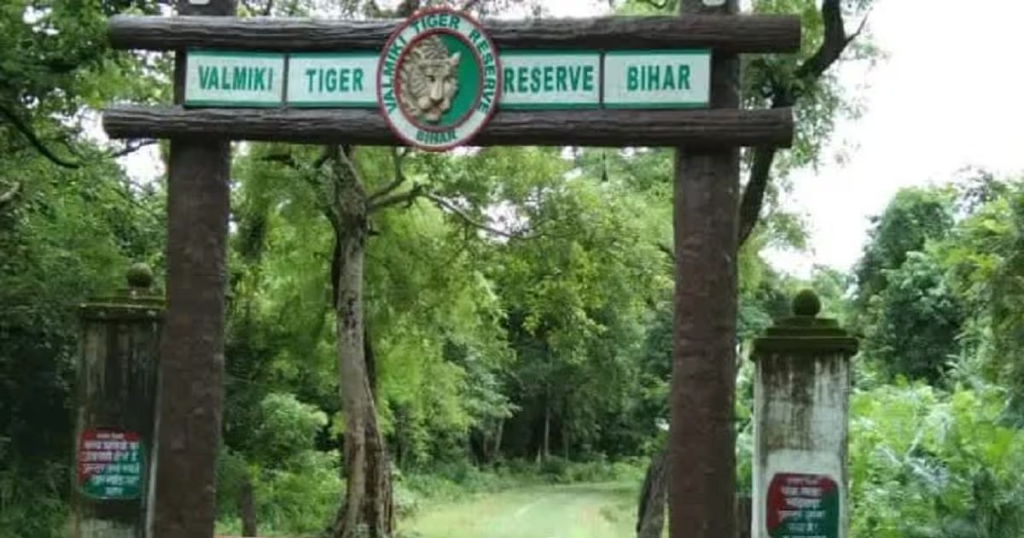
Introduction
Valmiki National Park, located in the West Champaran district of Bihar, stands as one of India’s most underrated yet ecologically significant protected landscapes. Spread across approximately 899 square kilometers, it forms the core of the Valmiki Tiger Reserve and represents the only national park in Bihar. This region is not merely a forested expanse—it is a dynamic ecological system shaped by riverine plains, foothills of the Himalayas, and dense tropical forests.
What makes Valmiki truly distinctive is its geographical position. Situated along the Indo-Nepal border, it connects seamlessly with the forests of Nepal’s Chitwan landscape, forming a transboundary conservation corridor that supports wide-ranging wildlife species. The park offers a rare blend of wilderness, cultural significance, and relative isolation, making it ideal for travelers seeking an authentic, less-commercialized forest experience.
Valmiki National Park is one of the few places in eastern India where you can experience dense forest silence, observe large mammals in their natural habitat, and explore a landscape that remains largely untouched by mass tourism.
History and Overview
Declared a national park in 1990, Valmiki National Park is deeply rooted in both ecological and cultural history. The park derives its name from Sage Valmiki, traditionally believed to have composed the Ramayana in this region. This historical association adds a spiritual dimension to the otherwise rugged wilderness.
Administratively, the park is part of the Valmiki Tiger Reserve, established under India’s Project Tiger initiative. Its strategic location along the Gandak River and proximity to the Someshwar Hills enhances its ecological diversity. The terrain gradually rises from alluvial plains to the foothills of the Himalayas, creating multiple habitat types within a relatively compact area.
The park plays a crucial role in regional biodiversity conservation, especially as a corridor for large mammals such as tigers and leopards moving between India and Nepal. This connectivity ensures genetic diversity and strengthens long-term survival prospects for many species.
Landscape, Terrain, and Ecosystem Character
Valmiki National Park presents a diverse and layered landscape. The terrain ranges from flat riverine plains to undulating hills and forested slopes. The Gandak River flows along the park, creating fertile floodplains and supporting a rich network of seasonal streams.
The forest structure varies significantly across the park. Dense sal forests dominate the interior zones, while riverbanks support grasslands and semi-evergreen vegetation. The foothills introduce a slightly cooler microclimate and host different plant communities compared to the plains.
This variation in terrain and vegetation directly influences wildlife distribution. Grazing animals prefer open grasslands, while predators utilize dense forest cover for hunting. The presence of water bodies ensures year-round survival for many species, especially during dry months.
Flora
The vegetation of Valmiki National Park is dominated by tropical moist deciduous forests. Sal trees form the backbone of the forest canopy, creating dense, shaded environments. Alongside sal, species such as khair, semal, cane, and bamboo contribute to the forest’s layered structure.
Grasslands interspersed within the forest play a critical ecological role. These open patches provide grazing grounds for herbivores and create hunting opportunities for predators. Seasonal changes significantly alter the forest’s appearance—lush green during monsoon and dry, golden hues in summer.
Fauna
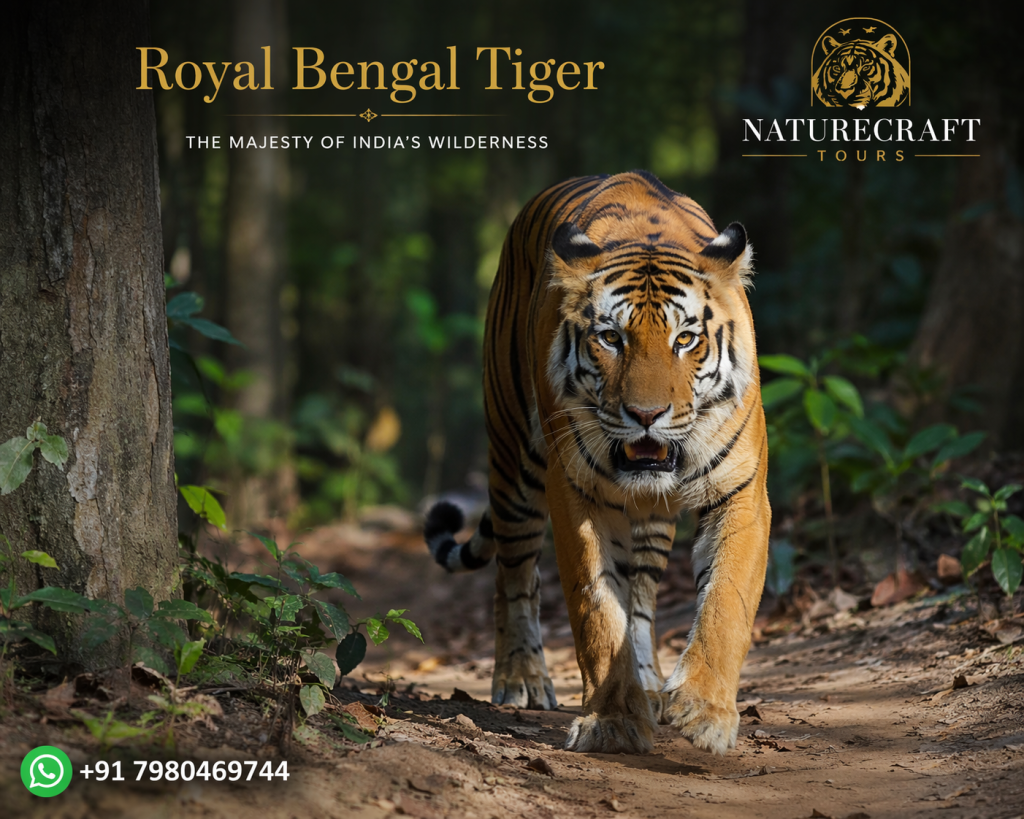
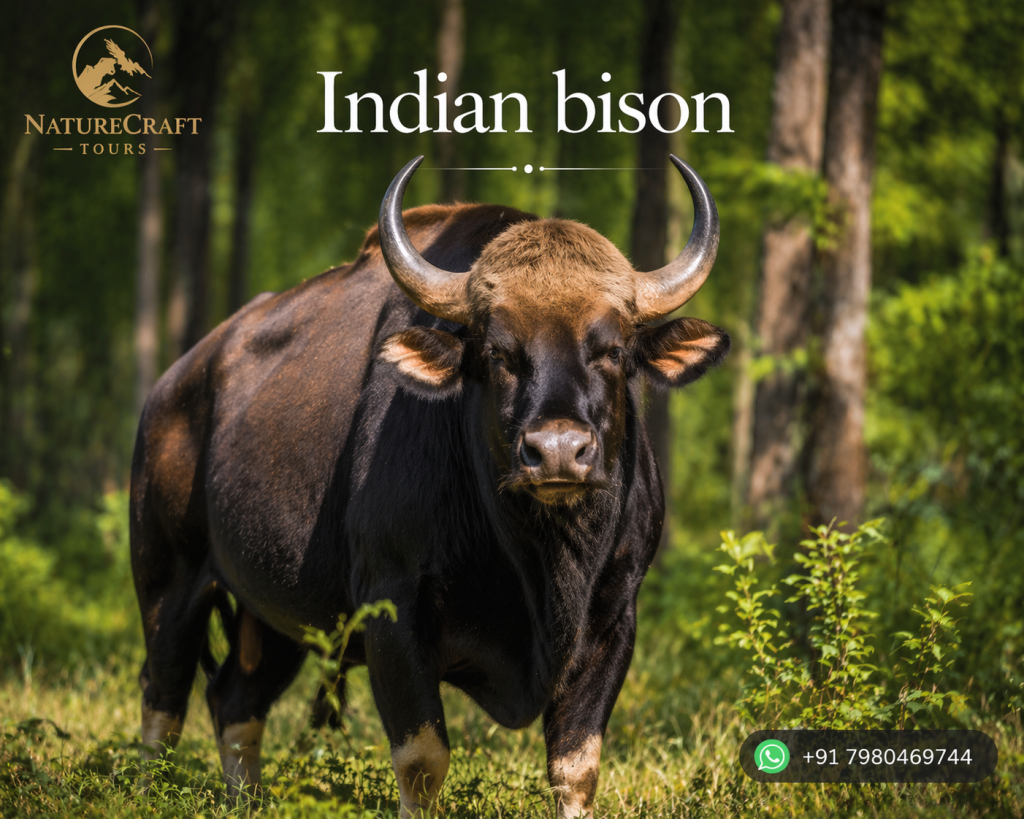
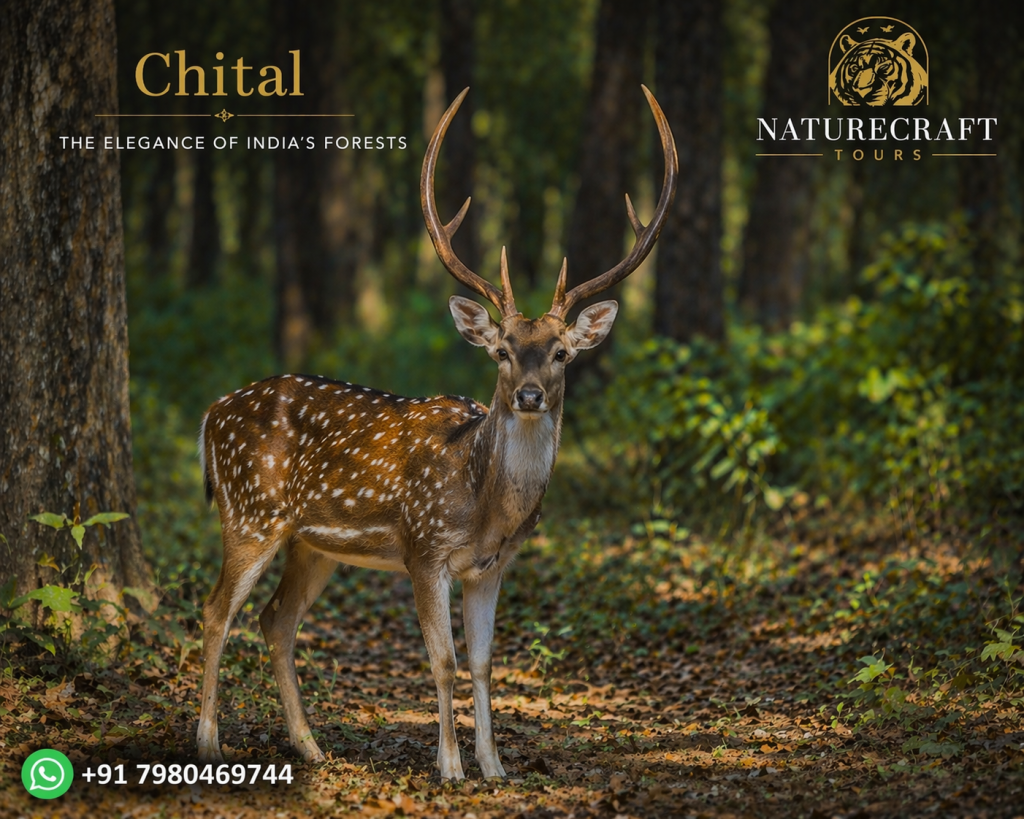
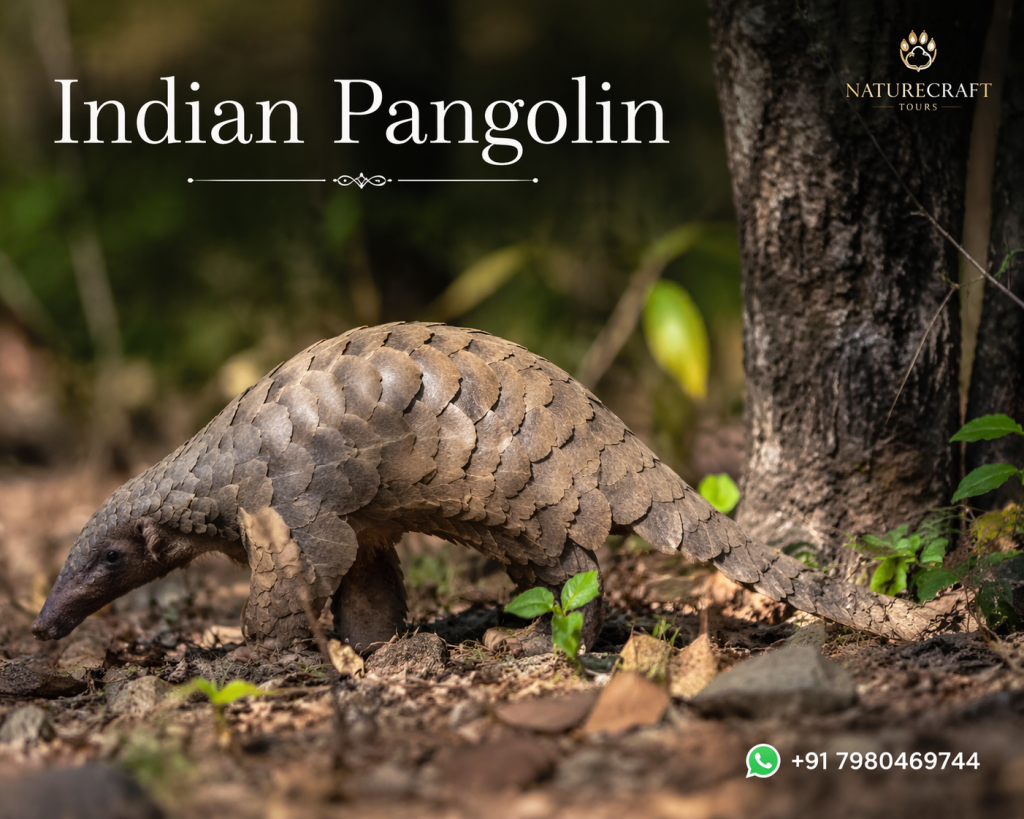
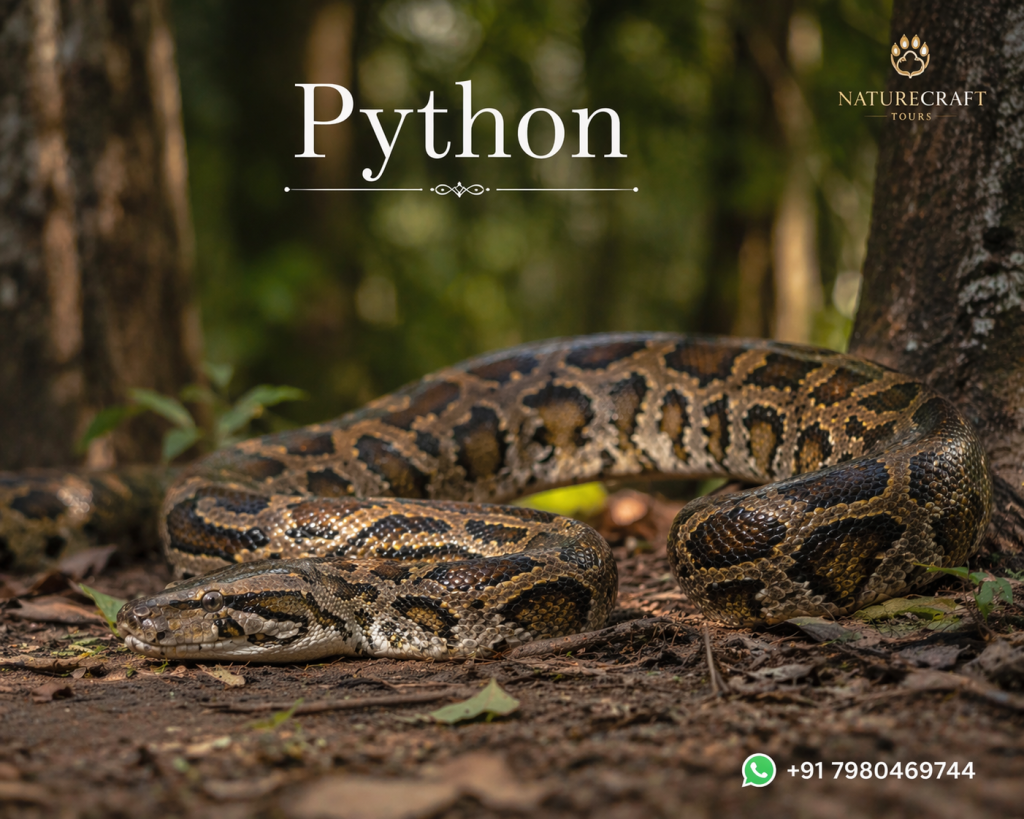
- Bengal Tiger – Apex predator and symbol of conservation.
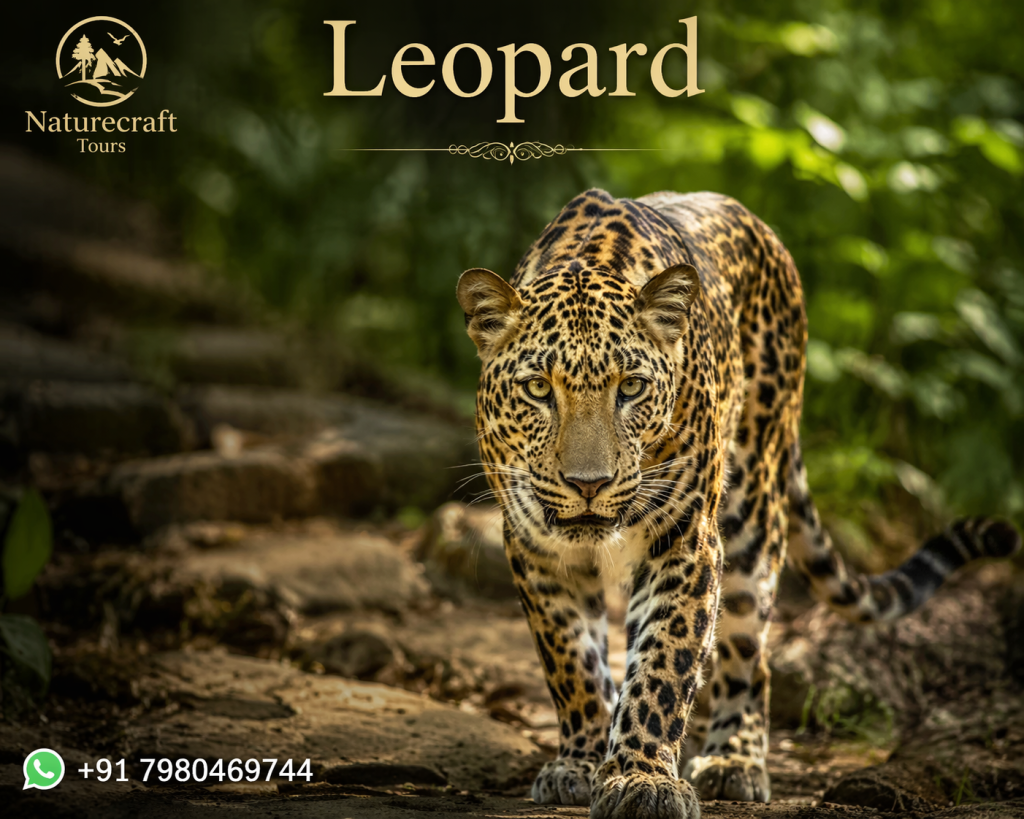
- Leopard – Highly adaptable and elusive.
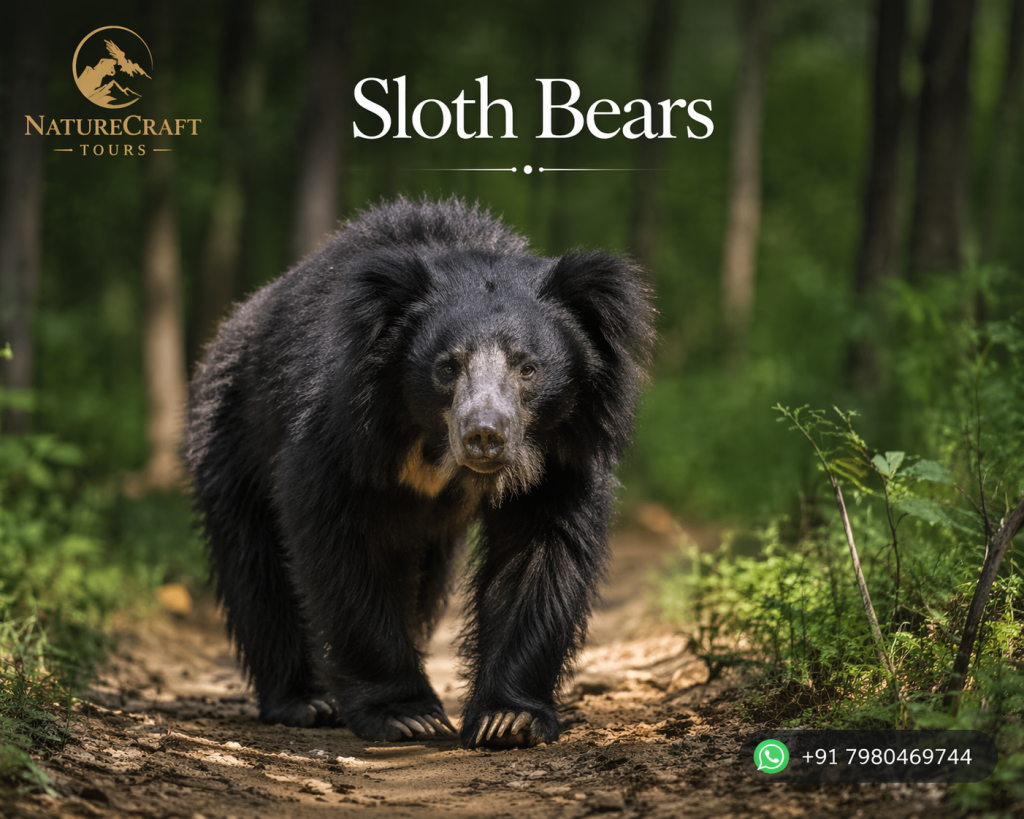
- Sloth Bear – Nocturnal and often seen near termite mounds.
- Indian Bison (Gaur) – Largest wild cattle species.
- Chital (Spotted Deer) – Common herbivore in grasslands.
- Indian Pangolin – Rare and nocturnal mammal.
- Python – Large constrictor snake found in dense vegetation.
Birdlife is exceptionally rich, with over 250 recorded species. From hornbills to raptors, the park offers diverse birdwatching opportunities across seasons.
Wildlife Experience and Observation
Wildlife viewing in Valmiki is an exercise in patience and awareness. Unlike more commercial parks, sightings here depend heavily on timing, silence, and understanding animal behavior. Early mornings often reveal herbivores grazing, while predators remain hidden within dense foliage.
The forest itself communicates movement—rustling leaves, alarm calls of deer, and distant bird sounds often indicate nearby wildlife. Visitors who remain attentive and calm are more likely to experience meaningful encounters.
Main Attractions
- Tiger Safari – Explore core forest zones with trained guides.
- Someshwar Hills Trek – Scenic trekking route with panoramic views.
- Gandak River Boating – Calm water experience with bird sightings.
- Watchtowers – Ideal for photography and observation.
- Valmiki Ashram – Cultural and historical significance.
Interesting Facts
Valmiki National Park hosts a wide range of wildlife species that are also found across other major national parks in India. Below is a comparative overview of key species and their presence in other protected landscapes.
| Wildlife Species | National Parks in India |
|---|---|
| Royal Bengal Tiger | Sundarban, Jim Corbett, Ranthambore, Bandhavgarh, Kanha |
| Leopard | Sanjay Gandhi, Jim Corbett, Satpura, Bandipur |
| Sloth Bear | Kanha, Satpura, Nagarhole, Bandipur |
| Indian Bison (Gaur) | Nagarhole, Bandipur, Periyar, Tadoba |
| Chital Deer | Sundarban, Kanha, Bandhavgarh, Ranthambore |
| Indian Pangolin | Satpura, Pench, Tadoba |
| Python | Sundarban, Kaziranga, Corbett |
Sundarban Connection and Ecological Comparison
Although geographically distinct, Valmiki National Park shares subtle ecological similarities with the Sundarban ecosystem. Both landscapes emphasize the importance of patience and awareness while observing wildlife. In Sundarban’s mangrove forests, tidal movements dictate animal behavior, while in Valmiki, forest density and terrain play a similar role.
In both regions, herbivores such as deer act as primary prey species, influencing predator movement. The alertness of these animals is noticeable—quick alarm calls often signal the presence of a predator nearby. This behavioral similarity creates a comparable wildlife observation experience.
The silence in both ecosystems is equally profound. Whether it is the dense forest of Valmiki or the tidal creeks of Sundarban, the absence of human noise enhances the sensory experience of nature.
Travelers interested in understanding these ecosystems further can explore a Sundarban travel guide or consider curated Sundarban tour packages that offer deeper immersion.
For those seeking a more exclusive experience, a Sundarban private tour allows a closer observation of wildlife behavior in controlled environments.
Conclusion
Valmiki National Park remains one of India’s most authentic wildlife destinations. Its combination of dense forests, diverse fauna, and cultural depth creates an experience that goes beyond simple sightseeing. For travelers willing to observe patiently and respect the rhythm of nature, Valmiki offers moments of genuine connection with the wild—quiet, powerful, and unforgettable.