Sundarban Ilish Utsav Food Experience – Taste defines the journey
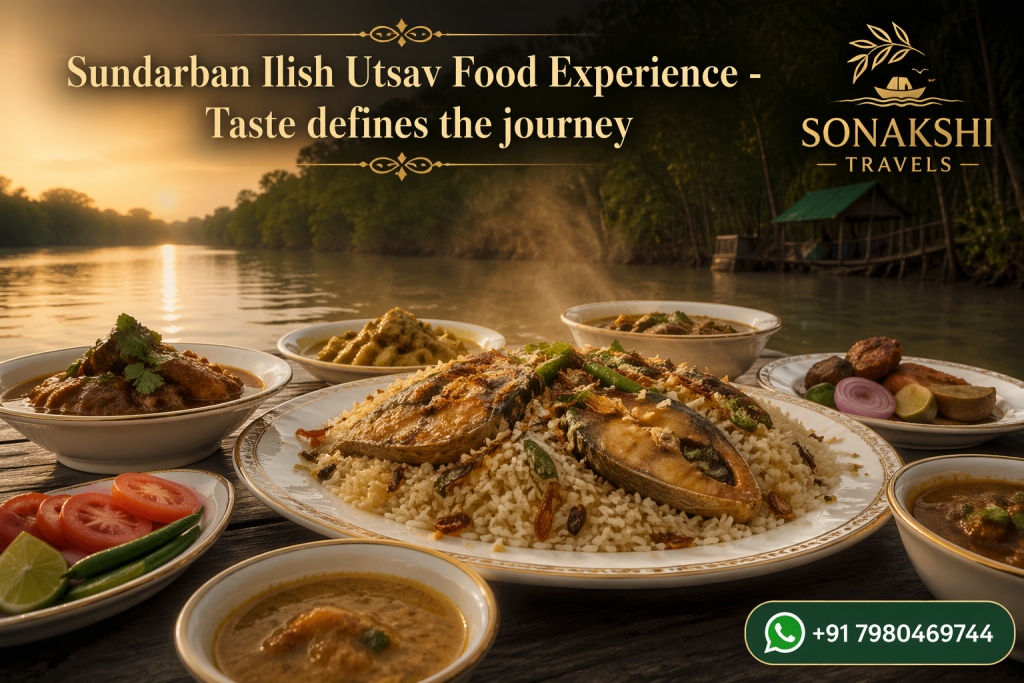
The Sundarban Ilish Utsav food experience is not only about eating hilsa fish. It is about understanding how taste, river life, local cooking, monsoon mood, and Bengali food culture come together during one special journey. In the Sundarban, food is closely connected with water, weather, season, and memory. When travelers sit on a boat, watch the wide river, feel the soft air, and taste freshly cooked hilsa, the journey becomes more meaningful.
The title itself says that taste defines the journey. This is true because many travelers remember the festival not only for the forest, creeks, birds, or mangrove views, but also for the flavour of ilish machh served with warm rice, mustard gravy, simple vegetables, and traditional Bengali side dishes. The food gives the journey its emotional value. It turns a normal river trip into a complete cultural experience.
Why Food Becomes the Heart of Sundarban Ilish Utsav
The Sundarban is a river-based landscape. Life here moves with tides, boats, fishing, village kitchens, and seasonal food habits. During the hilsa season, the experience becomes more special because hilsa is deeply loved in Bengal. It is soft, oily, aromatic, and rich in taste. For many Bengali families, hilsa is linked with monsoon days, family meals, and festive emotion.
In the Sundarban Ilish Utsav, food becomes the main attraction because it reflects both nature and culture. The fish comes from river tradition, the recipes come from Bengali homes, and the setting comes from the mangrove delta. This rare combination creates a food journey that feels honest, simple, and memorable.
Travelers often search for comfort and good stay options along with food. In that context, a helpful reference is the Sundarban Ilish Utsav luxury stay guide, because the food experience often becomes better when the stay, boat service, and meal planning are properly arranged.
The Taste of Hilsa and the Mood of the River
Hilsa has a taste that is difficult to compare with other fish. It has a natural sweetness, rich oil, and delicate texture. The bones are fine, but the flavour is very deep. This is why hilsa food experience is treated with care. It should not be over-spiced or overcooked. A good hilsa dish respects the natural taste of the fish.
In Sundarban, the taste becomes stronger because of the surroundings. A meal on land and a meal beside the river do not feel the same. When the boat moves slowly through the water and the smell of mustard hilsa comes from the kitchen, the whole journey becomes more alive. The sound of water, the open sky, and the warm food create a calm dining mood.
Mustard Hilsa as the Signature Taste
Shorshe ilish is one of the most important dishes of the festival. It is usually cooked with mustard paste, green chilli, turmeric, salt, and mustard oil. The dish is simple, but the taste is powerful. The sharp flavour of mustard balances the richness of hilsa. When served with plain hot rice, it becomes one of the finest Bengali meals.
This dish defines the festival for many travelers. It is not heavy in appearance, but it carries strong flavour. It also shows the beauty of Bengali cooking, where a few good ingredients can create a rich experience.
Steamed Hilsa and Soft Traditional Cooking
Bhapa ilish is another favourite dish during the festival. In this style, hilsa is steamed with mustard paste, coconut in some versions, green chilli, and mustard oil. The steaming process keeps the fish soft and juicy. The aroma remains inside the dish, and the taste feels smooth.
This preparation is very suitable for travelers who enjoy gentle but rich food. It does not feel fried or dry. It feels warm, soft, and traditional. The dish also matches the slow rhythm of the Sundarban journey.
How the Food Experience Shapes the Whole Journey
A Sundarban tour usually includes boat movement, forest watchtower visits, village views, and river cruising. But during Ilish Utsav, the food experience becomes the thread that connects all parts of the trip. Breakfast, lunch, evening snacks, and dinner are not just meal breaks. They become part of the memory.
The morning may begin with tea, biscuits, luchi, sabzi, or other simple items. Lunch may bring the main hilsa preparation. Evening snacks may include tea with Bengali-style light food. Dinner may be calmer, with rice, dal, vegetables, fish, chicken, or other planned items depending on the package. This full-day food rhythm helps travelers enjoy the delta without feeling rushed.
The meaning of the URL slug, sundarban ilish utsav luxury stay guide, also fits naturally here because food quality is closely connected with stay quality. A better planned stay can provide cleaner service, better meal timing, more comfortable dining space, and smoother hospitality. That is why many travelers compare food and accommodation together before booking.
River Dining Makes the Taste More Memorable
One of the most beautiful parts of the Sundarban Ilish Utsav food experience is river dining. Eating hilsa while the boat moves through wide rivers and narrow creeks is very different from eating the same food in a city restaurant. The setting changes the feeling of the meal.
On a boat, travelers are closer to the river source of the experience. The food feels connected with the place. The wind, tide, and open view make the meal peaceful. Even a simple plate of rice and hilsa can feel special because the surroundings are natural and slow.
For people choosing a more comfortable package, the luxury stay guide for Sundarban Ilish Utsav can help them understand how accommodation and food planning together improve the journey.
Traditional Bengali Side Dishes Complete the Plate
Hilsa is the main attraction, but the full plate matters. Bengali food experience is never only about one item. A good meal needs balance. Dal, rice, vegetables, fried items, chutney, and sometimes sweet dishes help complete the taste.
A common festival meal may include steamed rice, dal, potato fry, seasonal vegetables, mustard hilsa, chutney, and dessert. Each item has a role. Rice carries the gravy. Dal gives comfort. Vegetables balance the richness. Chutney refreshes the mouth. Sweets complete the traditional feeling.
This balance is important because hilsa is rich and oily. If the plate has only heavy items, the meal may feel too strong. A well-planned Bengali menu keeps the taste enjoyable from beginning to end.
The Role of Mustard Oil and Green Chilli
Mustard oil and green chilli are central to Bengali hilsa cooking. Mustard oil adds sharp aroma and depth. Green chilli adds freshness without making the dish too heavy. Together, they lift the natural flavour of hilsa.
In proper cooking, spices do not hide the fish. They support it. This is one reason why Bengali hilsa recipes are respected. They are strong in taste but simple in method.
Freshness and Timing Matter in the Food Experience
The quality of hilsa depends on freshness, handling, and cooking time. A good festival experience should focus on properly sourced fish, clean cooking, and timely serving. Hilsa tastes best when it is cooked carefully and served hot.
In travel packages, food timing is very important. If lunch is delayed too much, the joy of the meal may reduce. If the food is cooked too early and served late, the texture may change. A well-organized Sundarban Ilish Utsav plan gives attention to these small details.
This is why travelers should not judge a package only by price. They should also consider meal planning, boat kitchen quality, cleanliness, and hospitality. The food defines the journey only when it is served with care.
Luxury Stay and Food Comfort During the Festival
Food experience becomes more enjoyable when travelers are comfortable. A clean room, peaceful resort, good dining space, and proper service can make the hilsa festival feel relaxed. For families, elderly travelers, and private groups, comfort is especially important.
The idea of a Sundarban Ilish Utsav luxury stay does not mean only expensive rooms. It means better planning, better hygiene, smoother food service, and more privacy. When travelers return from a boat journey and receive a well-served dinner, the whole day feels complete.
Those who want to understand this connection between food, comfort, and accommodation can read the Sundarban Ilish Utsav luxury stay guide for a clearer idea of how stay quality supports the festival mood.
Food as a Cultural Memory
For Bengali travelers, hilsa is emotional. It reminds people of home kitchens, monsoon afternoons, family gatherings, and traditional meals. For non-Bengali travelers, it becomes a way to understand Bengal through taste. This makes the festival more than a normal food event.
The Sundarban food journey teaches that local cuisine is not separate from place. The river, the fish, the people, and the cooking style are all connected. When travelers taste hilsa in the Sundarban, they taste a part of Bengal’s river culture.
This cultural memory remains long after the tour ends. People may forget the exact time of a boat ride, but they often remember the first spoon of mustard gravy with rice, the smell of hot hilsa, and the peaceful river view beside the meal.
Why Simplicity Makes the Food Better
The best part of the Sundarban Ilish Utsav food experience is its simplicity. The food does not need heavy decoration. It does not need complicated presentation. A clean plate, fresh fish, balanced spices, and warm service are enough.
This simplicity suits the Sundarban. The region itself is natural, quiet, and earthy. The food should also follow that mood. Overly rich or artificial menus can disturb the real charm of the festival. Traditional cooking keeps the experience authentic.
A Meal That Matches the Landscape
The Sundarban landscape is wide, calm, and powerful. The food should match this feeling. Hilsa cooked with mustard, rice served hot, and side dishes prepared in Bengali style create a meal that belongs to the place. This is why taste defines the journey so strongly.
When food and landscape match each other, the travel experience becomes complete. The traveler does not feel like an outsider. The traveler feels connected with the river, the season, and the culture.
Final Thought
The Sundarban Ilish Utsav food experience is a journey of taste, culture, comfort, and river beauty. Hilsa gives the festival its identity, but the full experience depends on careful cooking, proper service, clean hospitality, and the natural setting of the delta.
From mustard hilsa to steamed hilsa, from boat dining to resort meals, every part of the food journey has meaning. The taste is not separate from the travel. It becomes the centre of the travel. That is why, in the Sundarban Ilish Utsav, taste truly defines the journey.